

Rodent pressure grows in California nut orchards
Rodent populations are increasing in California nut orchards, creating costly crop and equipment damage. Explore integrated management strategies and protect yields.


Key takeaways
- Rodent pressure has expanded geographically across California almond production regions.
- Abandoned orchards, regulatory changes and habitat conditions are contributing to larger rodent populations.
- Rodents damage crops, irrigation systems, trees and farm equipment, creating significant economic losses.
- Integrated pest management combines monitoring, habitat modification, baiting, trapping and biological controls.
- Equipment protection and cooperation among neighboring growers improve long-term management success.
Rodents have long been a nuisance in nut orchards, but many growers today feel the problem is becoming more serious.
Squirrels, rats and gophers are damaging crops, chewing irrigation lines, destroying equipment wiring and even reducing future yields by injuring trees.
In National Nut Grower’s 2026 Pest & Disease Survey, several growers specifically identified squirrels among their biggest concerns and asked for more information on squirrel control, highlighting an issue that is growing in many production regions.
The survey reflects what pest management specialists are seeing in the field. According to Lauren Fann, manager of pest management for the Almond Board of California, rodent pressure has reached levels growers haven’t experienced before.
“We haven’t conducted additional formal surveys to quantify trends over time, but the anecdotal reports from PCAs we work with have been significant,” she said. “We are hearing reports of increased rat and squirrel damage north of Merced, which is a region we hadn’t previously received reports from in prior years.”
The scale of the 2024 outbreak underscored the problem. California Department of Food and Agriculture trapping surveys documented unusually high rat populations across more than 100,000 acres of almonds in Merced, Fresno, Kings and Kern counties, suggesting rodent pressure is expanding geographically rather than remaining isolated.
Why populations are growing
Several factors appear to be contributing to rising rodent numbers.
Fann noted abandoned orchards and vineyards created by Sustainable Groundwater Management Act (SGMA) compliance, economic pressures and grower bankruptcies have become ideal breeding habitats adjacent to productive orchards.
In one case, a grower spent roughly $600 per acre on rodent control because his orchard bordered a 2,500-acre abandoned vineyard that continually repopulated nearby fields.
At the same time, restrictions on certain rodenticides have reduced growers’ access to some of the chemistries they previously relied upon, while rats appear to be expanding into new regions in search of food and water.
“The western part of the Central Valley has been the hardest-hit region,” Fann said. “The geographic footprint continues to expand.”
Damage extends beyond the crop
While squirrels feeding on nuts are the most visible problem, rodents create damage throughout orchard operations.
For instance, rodents chew through drip irrigation tubing, PVC pipe and electrical wiring on tractors, harvesters and trucks. They also gnaw tree bark, sometimes girdling young trees entirely, reducing future production.
One almond grower was forced to replace an entire drip irrigation system at a cost of approximately $20,000, while another experienced significant related after rats chewed electrical wiring, according to Fann.
The Almond Board estimates direct tree damage from the 2024 outbreak alone resulted in tens of millions of dollars in lost almond production, with total economic losses for almonds approaching $300 million.
An integrated approach
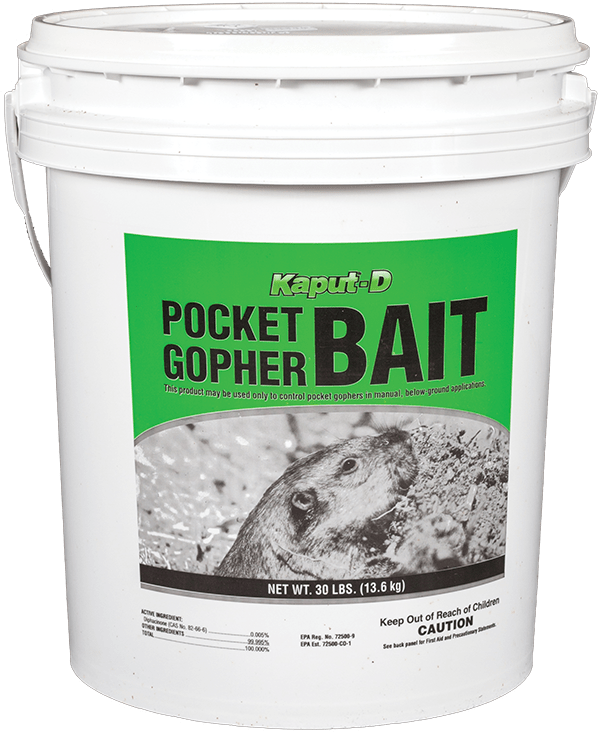
There isn’t a single tactic that is sufficient at the population levels being seen, Fann said. Instead, integrated pest management combines monitoring, habitat modification, trapping, biological controls, baiting and burrow fumigation.
Monitoring tools such as tracking tunnels, snap traps and remote cameras help growers identify infestations before populations explode. Owl boxes continue to show promise as a biological control tool, while burrow fumigation and carefully managed baiting remain important components of many programs.
One challenge growers are encountering, however, is bait shyness.
With exceptionally high populations, some rats begin avoiding familiar baits, requiring growers to rotate bait flavors every day or two. Fann also stressed the importance of area-wide cooperation.
Treating a single orchard while neighboring abandoned properties remain unmanaged often simply shifts rodents from one location to another instead of reducing overall populations.
Timing is critical
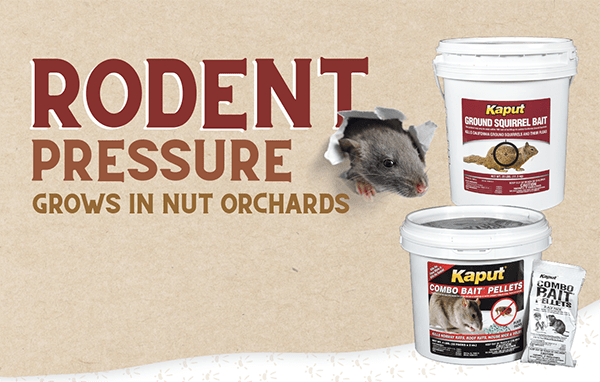
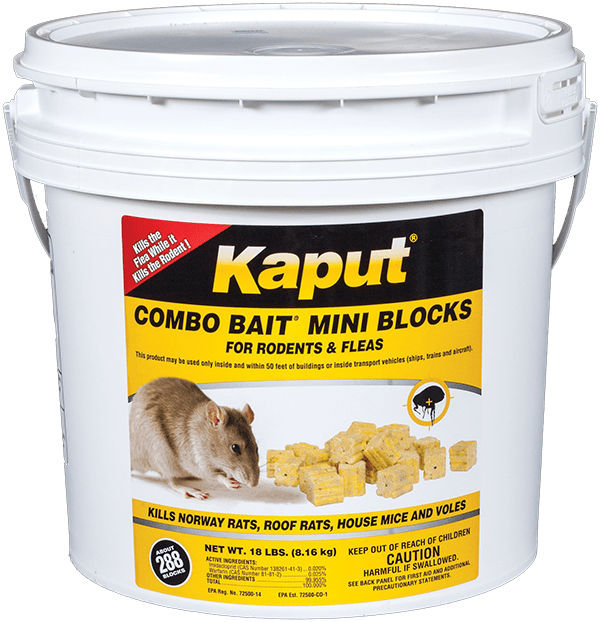
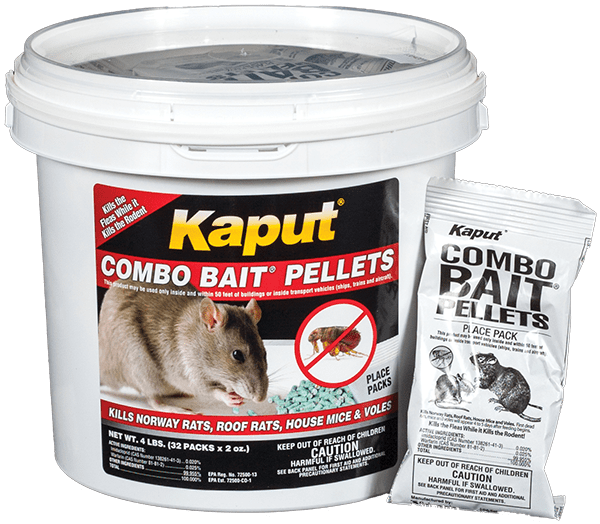
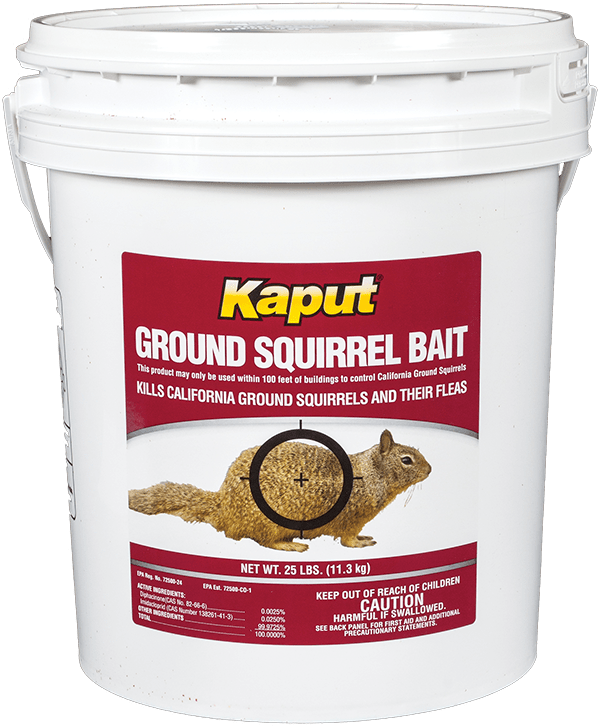
Mark Jones, nationals sales manager for Scimetrics Ltd., the parent company of Kaput Products, said growers should begin thinking about squirrel control before populations explode.
“They’re having their babies in March,” he said. “Our big squirrel bait season starts in about April and goes through September.”
Jones said one of the biggest mistakes growers make is failing to maintain bait programs. Because many first-generation anticoagulant baits require multiple feedings, stations need to be checked and replenished frequently.
“People will bait on a Monday and then won’t come back for a week or two,” he said. “You never know what the actual population is, so you have to keep the stations filled.”
He also emphasized following product labels and placing bait properly to minimize risks to non-target wildlife.
Protecting valuable equipment
Even effective rodent control programs cannot eliminate every squirrel or rat, making equipment protection another important consideration.
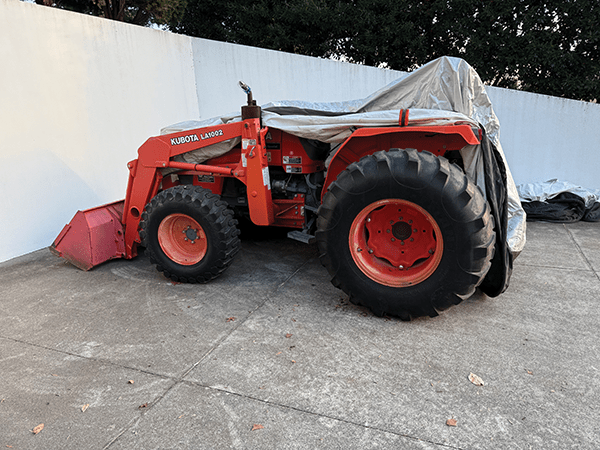
Ken Huening, CEO of CoverSeal, noted rodents are attracted less by tractors themselves than by the shelter they provide.
“They’re looking for somewhere to hide from predators,” he said. “Once underneath equipment, they build nests and chew wiring because their teeth continually grow.”
Modern farm equipment has become especially vulnerable because sophisticated electronics and engine control systems are expensive to repair and often require dealership service.
Huening said physical barriers such as weighted equipment covers can help keep rodents from gaining access to tractors, harvesters and other machinery while also protecting equipment from weather and debris.

What’s ahead?
In the next couple of years, Fann believes rodent pressure will likely remain elevated unless additional research, coordination and management resources become available.
The good news is that growers have more tools than ever before. CDFA, UC ANR and UC Davis have developed extensive rat management training resources covering monitoring, trapping, baiting, fumigation and biological controls. Regional monitoring tools, including CAPCA’s Crop Steward app, are also providing earlier warnings of emerging infestations.
For growers, success increasingly depends on taking an integrated approach. Scouting early, coordinating with neighbors, combining multiple management tactics and protecting valuable equipment can help reduce losses before rodents gain the upper hand.
FAQ
Why are rodent populations increasing in nut orchards?
The article attributes growth to abandoned orchards, SGMA-related land changes, economic pressures, reduced rodenticide options and expanding rodent habitat.
What kinds of damage do rodents cause?
They damage nuts, tree bark, irrigation systems, electrical wiring and farm equipment.
What is recommended for controlling rodents?
An integrated pest management approach using monitoring, trapping, baiting, fumigation, biological controls and habitat management.
Why is timing important for squirrel baiting?
Growers should begin before squirrel populations expand and maintain bait stations throughout the season.
How can growers protect equipment?
Using physical barriers such as weighted equipment covers can reduce rodent access while also protecting machinery from weather.
A graduate of the University of Miami, Keith Loria is an award-winning journalist who has been writing for almost 20 years. View his recent writing at keithloria.contently.com.
National Nut Grower