

Nut processing equipment: Built in California, bound for the world
California manufacturer Ripon Manufacturing Co. exports nut processing equipment worldwide while improving efficiency, food safety and labor savings. Discover industry trends and explore key challenges.





Key takeaways
- California exports both nuts and nut-processing machinery.
- Ripon Manufacturing has served the tree nut industry since 1963.
- Demand for processing equipment is growing internationally.
- Food safety remains a core focus in processing operations.
- AI is being introduced to improve manufacturing processes.
- Labor shortages and water availability remain major industry concerns.
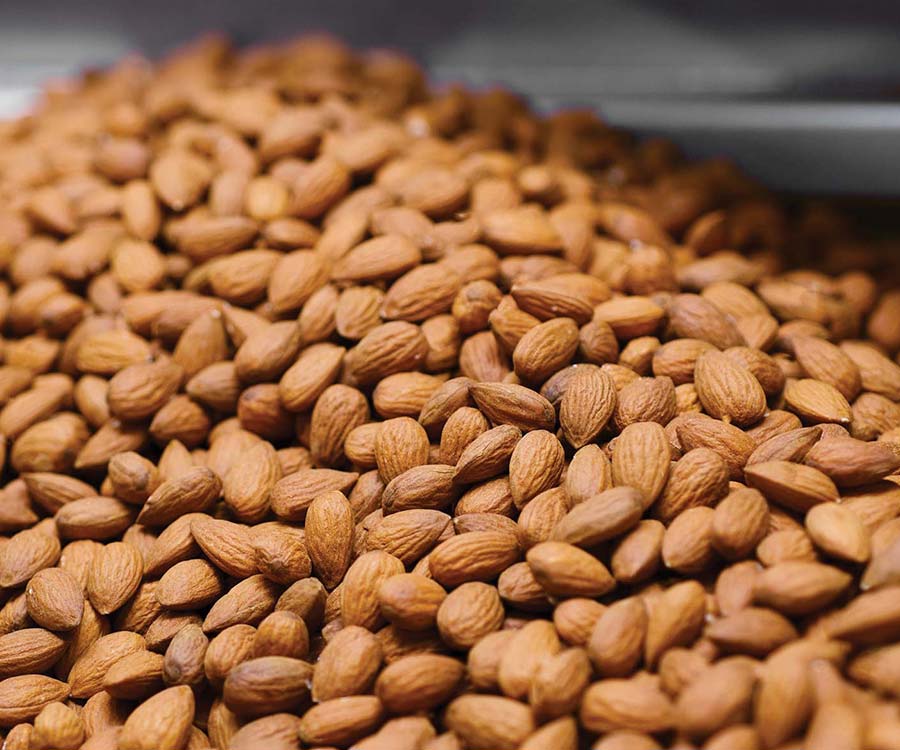
California is known for producing and processing almonds, pistachios and other tree nuts, but the Golden State is also a leading manufacturer and exporter of custom-built processing equipment used throughout the nut supply chain, from cleaning and shelling to sorting and packing.
One such company is Ripon Manufacturing Co., based in California’s San Joaquin Valley. The family-owned business has been building processing equipment for the tree nut industry since 1963, initially serving almond processors and increasingly working with pistachio and walnut operations.
Andre Navarro, head of equipment sales at the family-owned company, said Ripon is benefiting from strong conditions in the nut market, particularly for almonds, which are “on the rise.”
“Grower pricing is the highest it’s been in three or four years, I believe, so right now almonds are looking very economical compared to other commodities,” he said.
Beyond the U.S. market, Ripon supplies equipment and complete processing lines to companies in Australia, Chile, Spain and Portugal. The company views markets in Europe and Asia as having some of the greatest potential for future market growth.
“There’s good demand outside California and the U.S. for our product line. These countries are interested in what we produce because it’s high quality, safe and offers a long shelf life,” Navarro said.
“We’re now looking at projects for 2027, and fortunately a lot of our customers are planning in advance because they understand the equipment takes time to design and build.”
Ensuring safety
Although almonds were for many years the principal focus, Navarro said Ripon’s solutions, which cover everything from off-loading and pre-cleaning to hulling, shelling and inshell handling to post-processing clean-up and byproduct recovery, are now widely used by walnut and pistachio processors.
Navarro explained how a typical system functions.
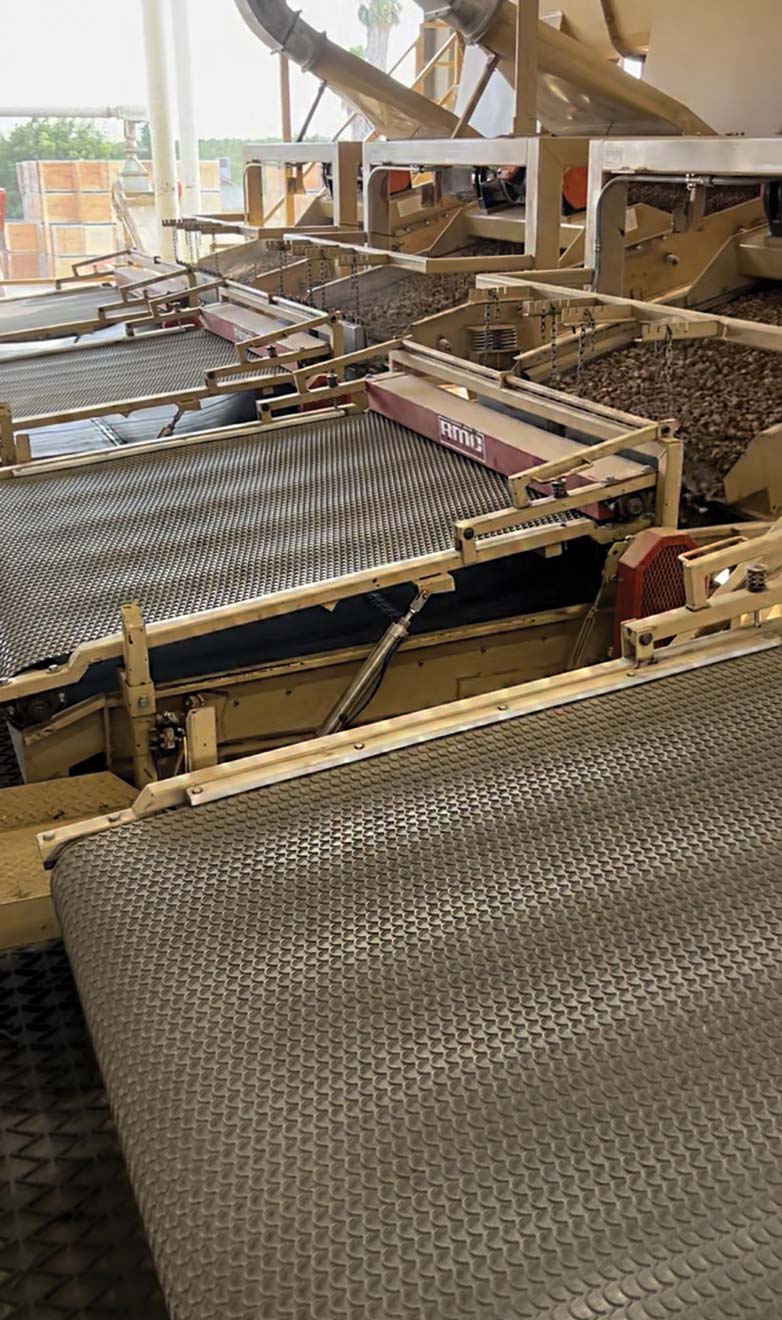
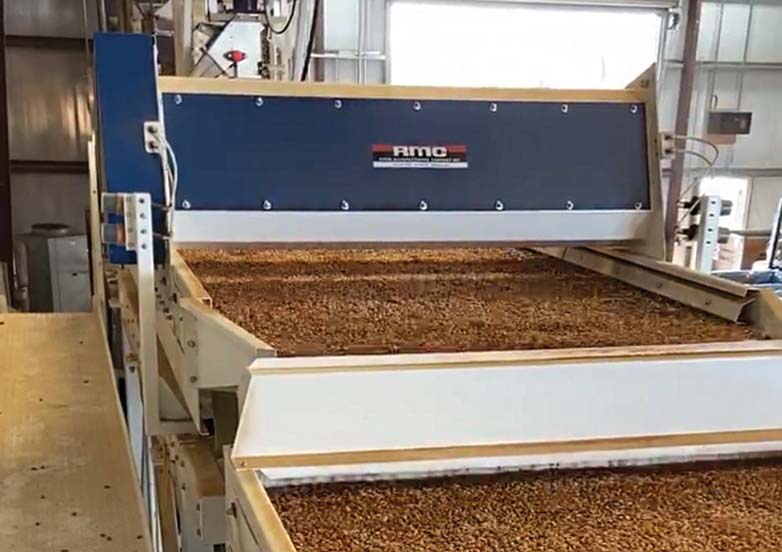
“After the almonds are harvested, they go to a hulling and shelling facility, where our equipment pre-cleans the product by removing all the sticks, rocks and dirt, before it enters storage bins for further processing.”
Ensuring such materials are effectively removed at this early stage is critical to food safety, Navarro said, emphasizing that this process needs to take place before hulling and shelling.
Ripon’s processing equipment then removes the shells from kernels and cleans the product for consumption.
“We build a complete line of equipment for hulling and shelling, and we also build a complete line on the processing and packaging side,” Navarro said.
A newer part of the process is the gradual introduction of AI. Ripon is using the technology to streamline fabrication modeling for its manufacturing operations. The technology is also being used to calculate missing measurements on machinery blueprints, in addition to confirming that existing measurements are accurate, Navarro said.
Labor savings
Like other produce sectors, the nut industry has faced considerable labor pressure in recent seasons, with shortages prompting processors to seek technology-driven alternatives that can help compensate for the shortfall.
Navarro said Ripon aims to support customers by designing processing lines that maximize efficiency while meeting operational and budget requirements of processors.
“Companies are trying to reduce labor costs while maintaining the quality their buyers expect, so we often build higher-capacity lines that help them achieve both goals,” he said.
An even greater challenge may be access to water. Navarro said pistachios, and especially almonds, require significant irrigation, making water availability an increasing concern for growers.
“Just getting water to irrigate the crops has become a major topic over the last three or four years,” he said.
“Until there’s some sort of balance or water security, that will be the biggest challenge.”
Reasons for optimism
Ripon continues to improve its legacy equipment by increasing durability and longevity while reducing breakdowns and replacement costs, Navarro said.
“Our customers want to package products as efficiently as possible with the least amount of labor and at the highest quality, so we’re constantly improving our designs,” he said.
“I can’t sell the exact same equipment from one customer to the next because there are usually improvements made after each installation, even if they are relatively small changes.”
Looking ahead, Navarro remains optimistic for the future of the nut processing industry, but his optimism is tainted with caution.
“Long-term, maybe 3 million pounds is the most we can ship and the world can take when it comes to California almonds,” he said.
“I hope there can be more interest because almonds, pistachios and walnuts are healthy products. They are also sustainable and offer a long shelf life.”
FAQ
What does Ripon Manufacturing produce?
Ripon Manufacturing builds processing equipment and complete processing lines for the tree nut industry.
Which countries purchase Ripon equipment?
The company supplies equipment to markets including Australia, Chile, Spain and Portugal.
How is AI being used by Ripon Manufacturing?
AI is used for fabrication modeling and to calculate and verify machinery blueprint measurements.
What challenges face nut processors today?
Labor shortages and water availability are among the industry’s biggest concerns.
Why is pre-cleaning important in nut processing?
Pre-cleaning removes sticks, rocks and dirt before further processing, supporting food safety.
Steven Maxwell is a journalist, editor and communications professional with years of experience covering the global produce sector and the food industry. Fluent in Spanish and based in Mexico, he reports on latest developments in fresh and processed produce across the Americas.