

Updated resource: Bacterial canker information from UC IPM
The UC IPM program has updated its bacterial canker resource with the latest research-based guidance for identification, prevention and management.





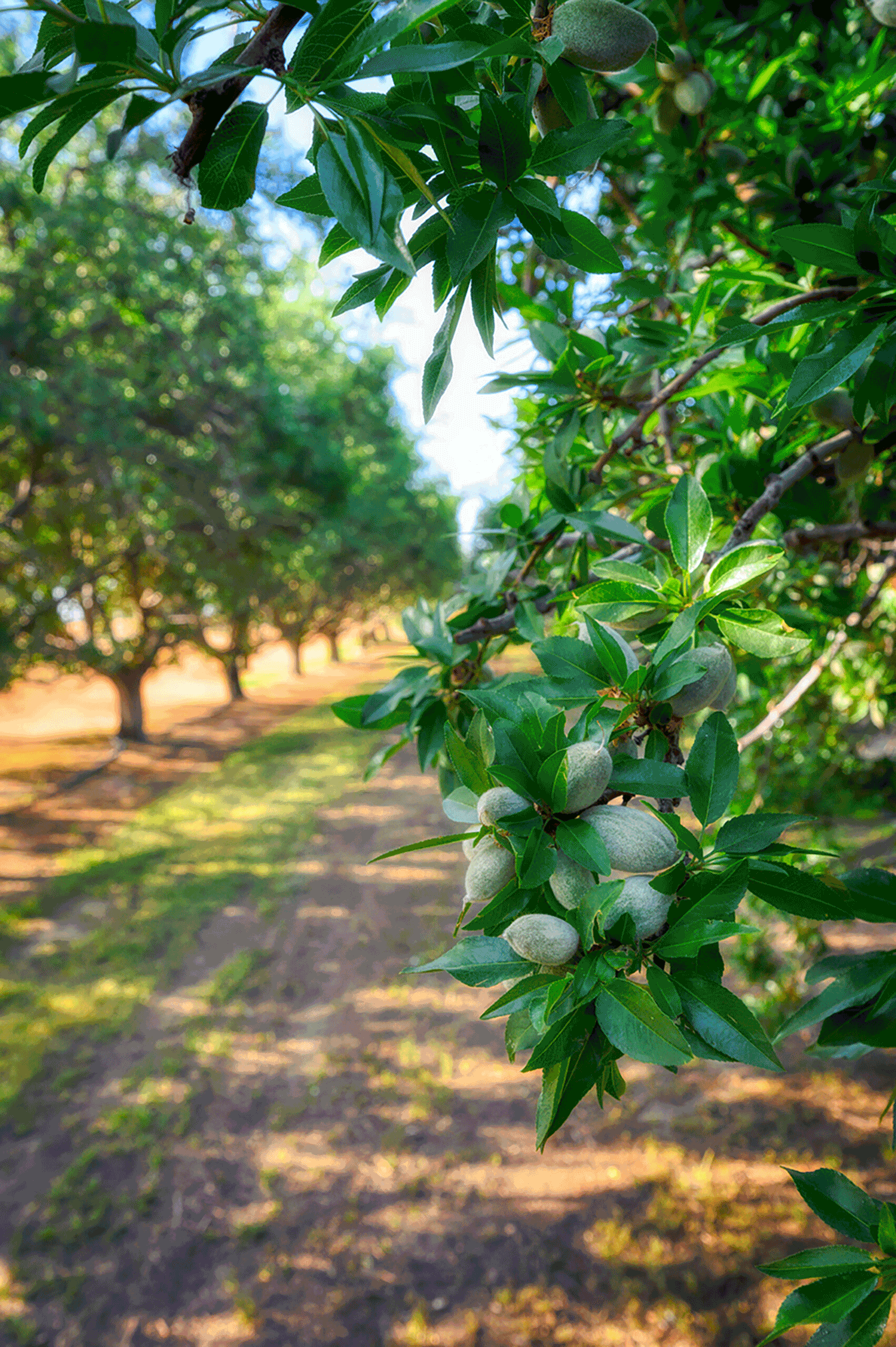
The University of California Statewide Integrated Pest Management Program (UC IPM) has released updated guidance on bacterial canker, providing the latest research-based information to help identify, prevent and manage this important plant disease.
This updated resource offers practical, science-backed strategies for growers, land managers and others working to protect plant health while minimizing impacts on people and the environment. It reflects UC IPM’s ongoing commitment to delivering accurate, timely, and effective pest management information.
UC IPM is a statewide program that draws on the expertise of University of California scientists to develop and share integrated pest management (IPM) solutions. Through Cooperative Extension, UC IPM provides resources to every California county, including online tools, publications, and training courses designed to support sustainable and environmentally responsible pest management.
Explore the updated bacterial canker information to stay informed and apply the latest best practices.
FAQ
What is bacterial canker?
Bacterial canker is a plant disease that causes damage to stems, leaves and fruit, often leading to reduced plant health and crop loss.
What did UC IPM update about bacterial canker?
UC IPM updated its guidance with the latest research on identification, prevention and management strategies to help reduce disease impact.
How does UC IPM help manage plant diseases?
UC IPM provides science-based resources and tools that promote integrated pest management, focusing on effective and environmentally responsible solutions.
Who should use UC IPM resources?
Growers, landscapers, land managers, and homeowners can all benefit from UC IPM’s pest management guidance.