

From orchard to doorstep: A California almond grower’s direct-to-consumer model





Key takeaways
- Briden Wilson Farm shifted to a direct-to-consumer model in 2008.
- Rebecca Dafoe expanded the business following a major family transition in 2022.
- The farm emphasizes freshness, transparency and customer relationships.
- Production relies on regenerative and organic farming practices.
- The operation has expanded into walnuts, rice, beans, popcorn and pantry products.
- Direct customer engagement remains a core business strategy.
In California’s Sacramento Valley, where rich soil and long growing seasons have made almonds a dominant crop, one small farm is reshaping how growers connect with consumers.
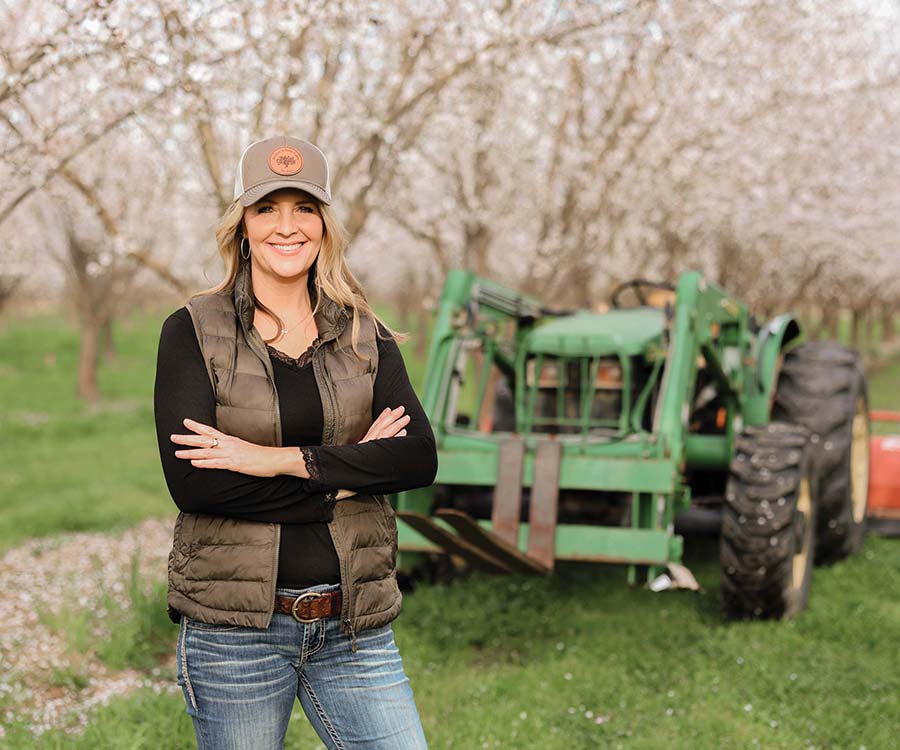
At Briden Wilson Farm, owner Rebecca Dafoe is building more than a business. She is creating a legacy centered on family, sustainability and direct relationships with customers.
Briden Wilson Farm began with a leap of faith. In 2000, Rebecca and her late husband, Tom, left the Midwest for California in search of opportunity and a shared dream.
“He came from a farming background, but his dream was always to have a piece of property of our own,” Dafoe said.
Three years later, the couple purchased their first almond orchard in Arbuckle. Like many small growers, they initially sold their crop through a traditional handler system.
For several years, the system functioned, but it was not profitable enough to sustain a small operation.
By 2008, the couple shifted to a direct-to-consumer business model.
“We talked it over and realized selling directly to consumers made the most sense,” Dafoe said.
Launching an online store when direct-to-consumer agriculture was still emerging required creativity and persistence. Bringing the crop home and handling marketing efforts was “kind of scary,” Dafoe said.
The decision paid off as customers responded to the farm’s emphasis on freshness and transparency. Over time, Briden Wilson Farm developed a loyal customer base.
A turning point
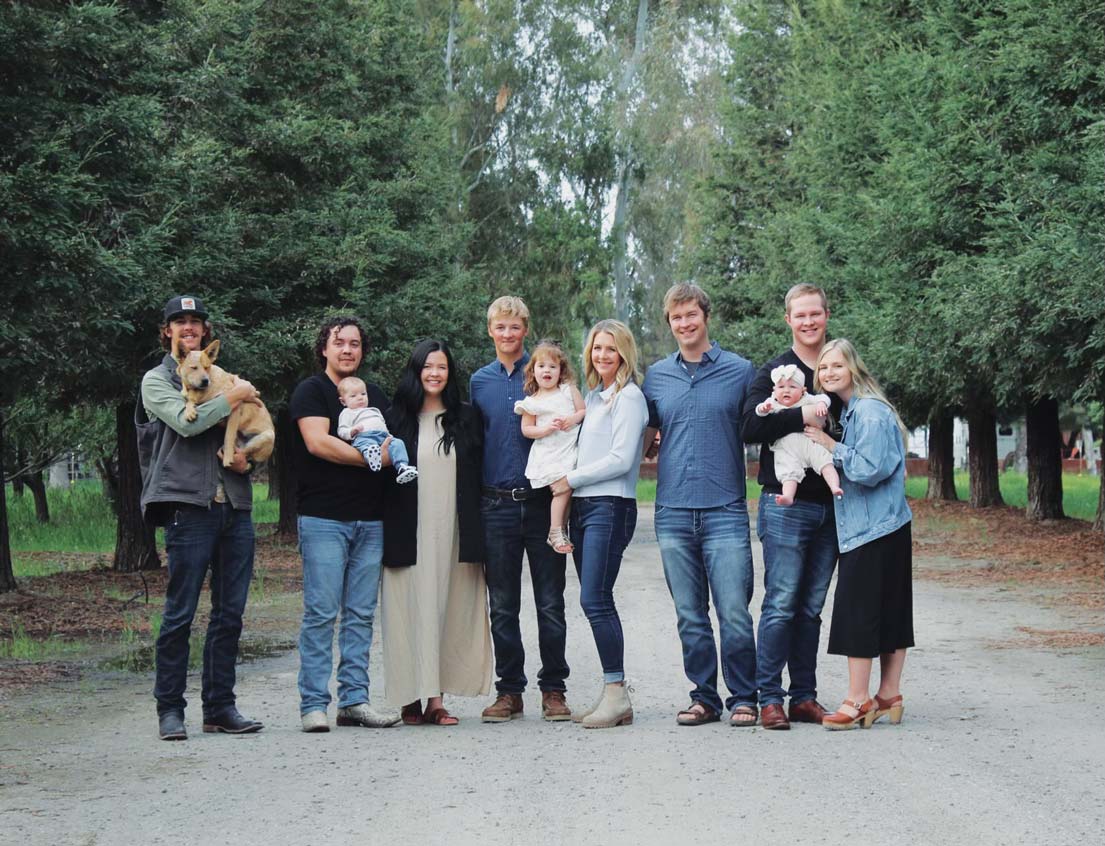
For nearly two decades, the farm operated as a partnership, with Rebecca managing online sales and marketing while Tom oversaw production. Together, they raised five children while building the business.
That changed in 2022 when Tom died unexpectedly. “I had to make a tough decision,” Dafoe said. “Either I grow or I sell and start over.”
Rather than leaving agriculture, Dafoe chose to expand the business and deepen her investment in the farm and her family’s future.
“In the past, my heart wasn’t really in it, but now everything went deeper,” she said. “I wanted to leave something — a heritage for them.”
Rebranding and expansion
As part of that transition, the farm rebranded from HomegrownAlmonds.com to Briden Wilson Farm, aligning the business name more closely with its roots.
“It was kind of like starting over,” Dafoe said, noting the shift required rebuilding online visibility and search rankings.
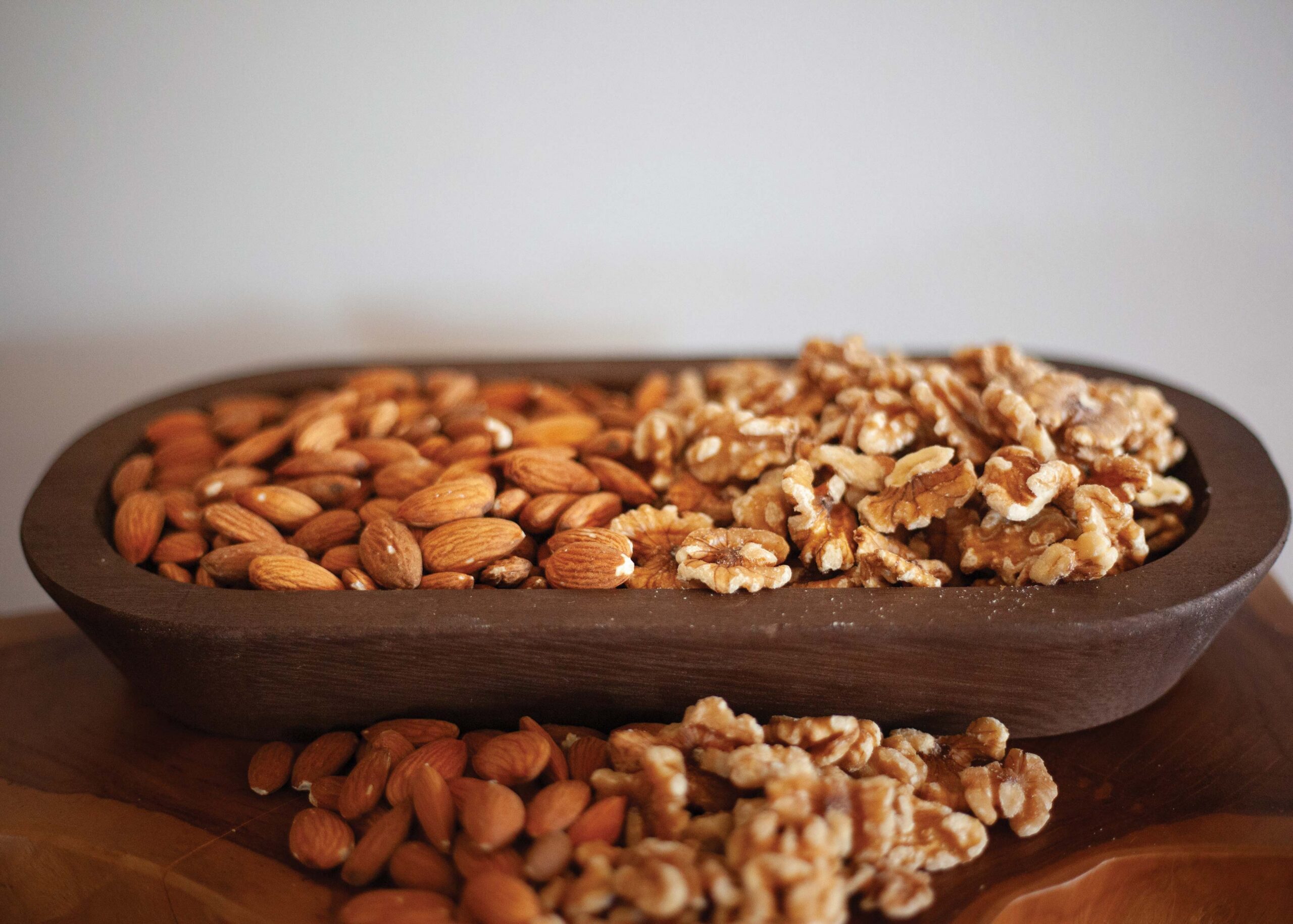
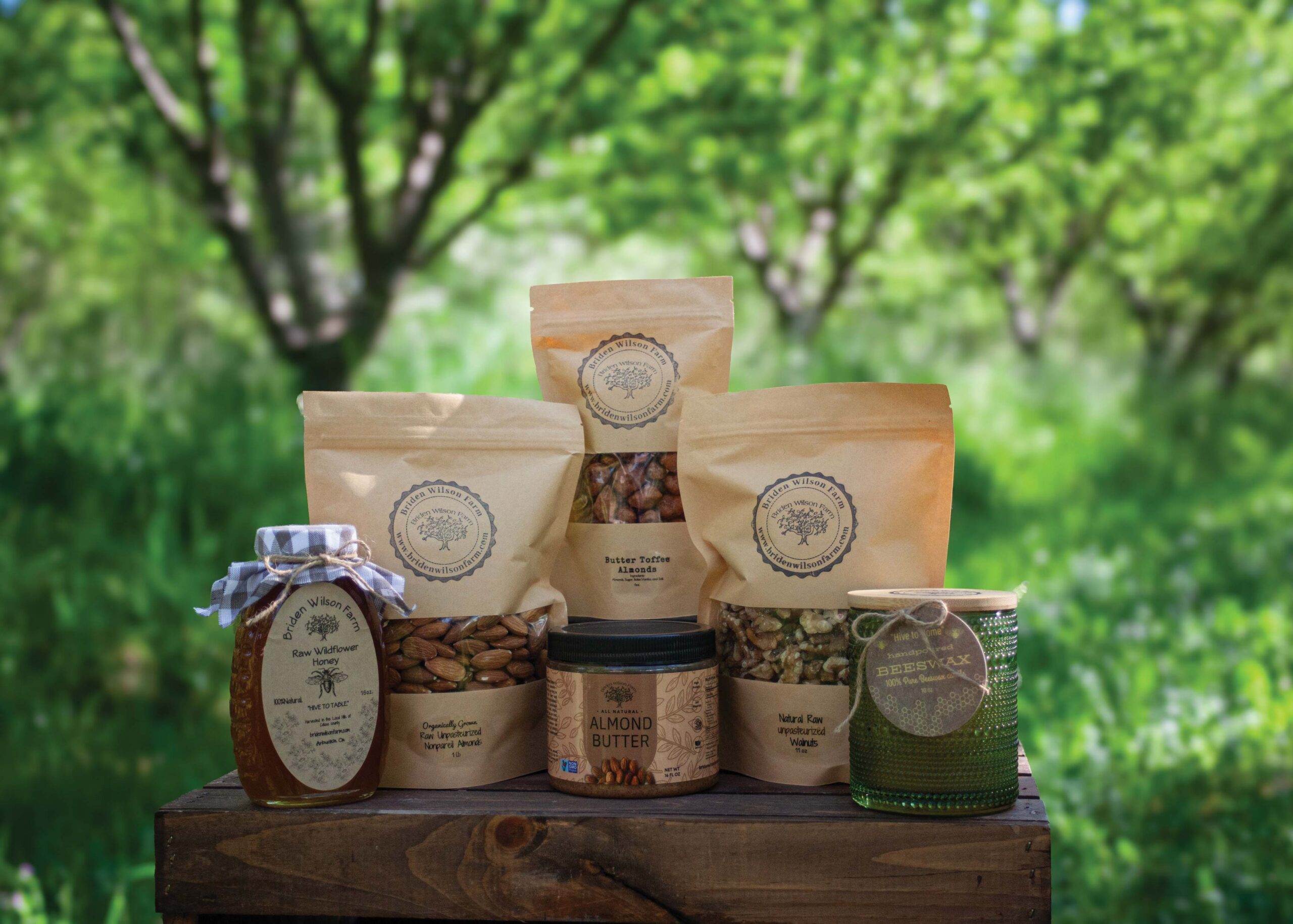
The farm has since expanded beyond almonds, adding walnuts, rice, beans and popcorn sourced from nearby growers.
Dafoe also launched an additional storefront, Becca’s Pantry, featuring gluten-friendly baking mixes based on her own recipes, including oat millet cookie mix and oat millet bread mix.
Additional products now include local wildflower honey, fresh almond butter and hand-poured beeswax candles.
– Rebecca Dafoe
Regenerative practices
While Briden Wilson Farm’s direct-to-consumer approach sets it apart, Dafoe said the farm’s production practices are equally important.
“We grow everything with regenerative and organic practices, without using pesticides, fungicides and herbicides,” she said.
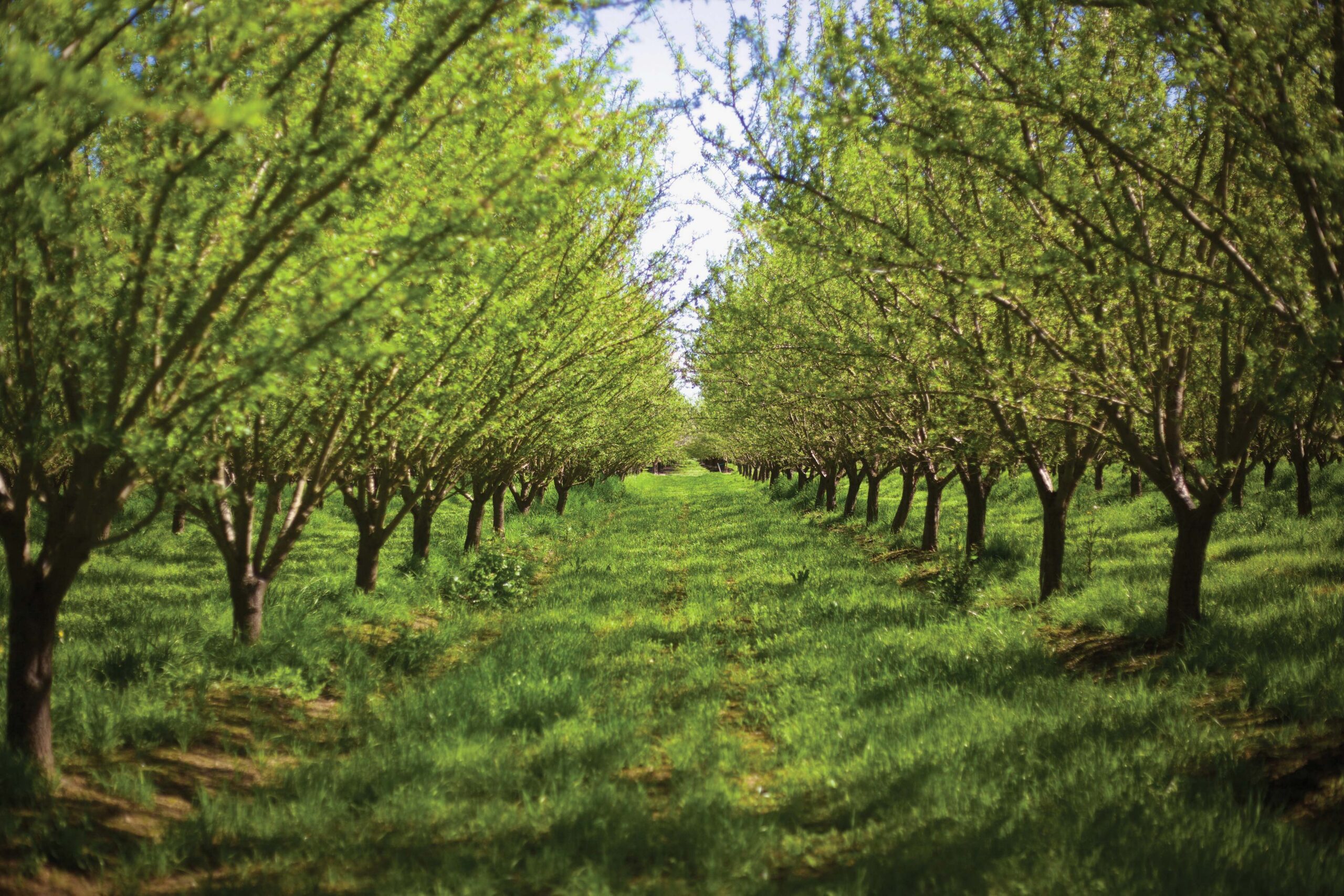
Dafoe said soil health remains central to the farm’s management strategy. By limiting tillage and avoiding synthetic chemical applications, the orchard supports beneficial microbes and insects.
“When you don’t disrupt the environment, the good bugs are allowed to keep the natural ecosystem in balance,” Dafoe said.
She said the orchard has remained largely unaffected during regional pest outbreaks.
Small farm, direct connection
Briden Wilson Farm remains small compared to many California almond operations, but Dafoe said flexibility remains an advantage.
“My hopes are to acquire more land as the business grows,” she said. “For now, the focus remains on maximizing value rather than volume.”
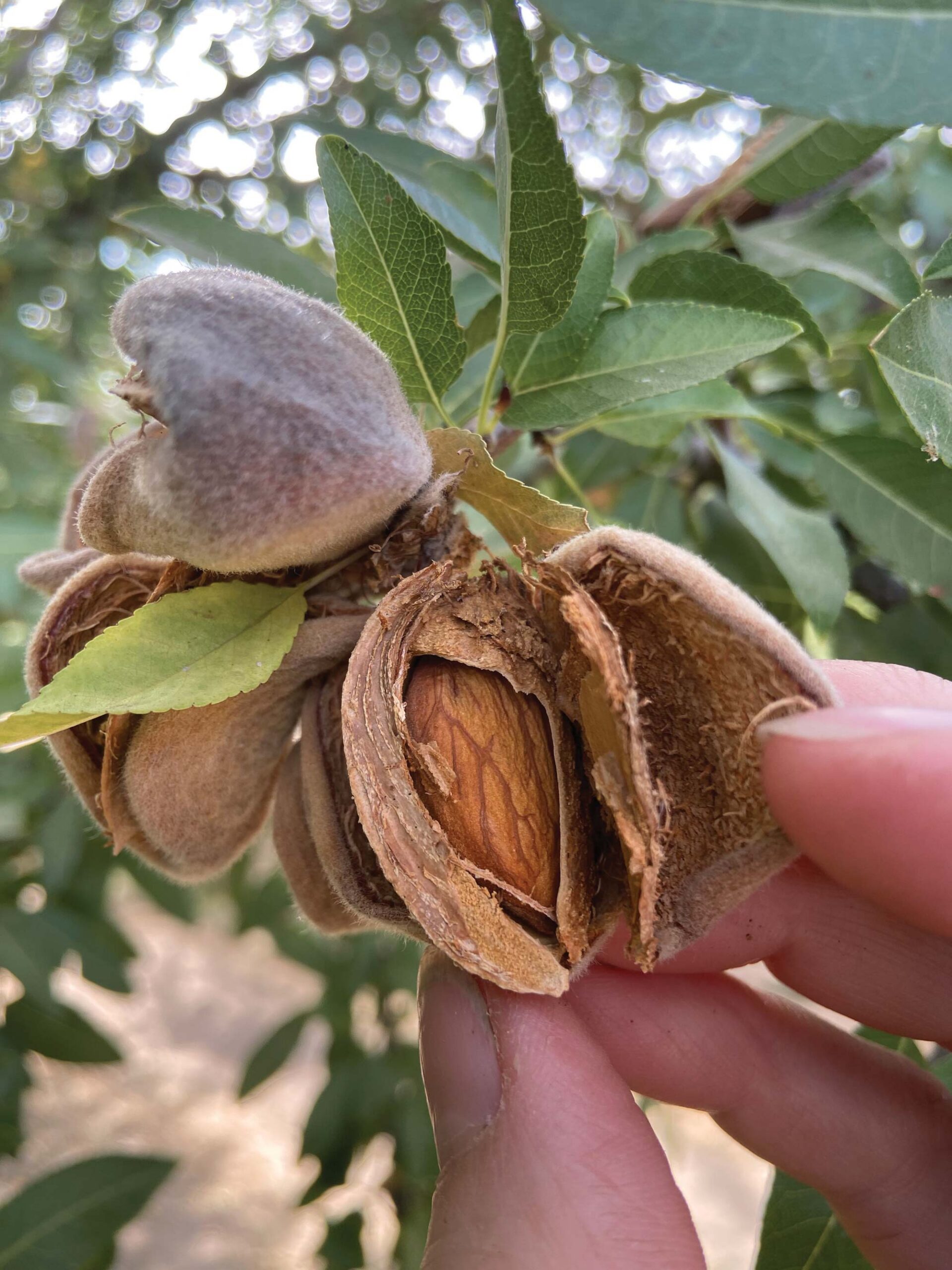
The orchard primarily grows Nonpareil almonds along with pollinator varieties such as Carmel.
“The Nonpareil is the most wanted almond out there, creamy and sweet,” Dafoe said.
Freshness remains a major selling point for the business. Unlike conventional supply chains where nuts may remain in storage for extended periods, Briden Wilson Farm prioritizes quick turnaround times and climate-controlled storage.
“The one thing you just can’t get at a store is fresh walnuts or fresh almonds,” Dafoe said.
She said the farm typically ships orders within 48 hours.
Direct-to-consumer relationships
Dafoe said one of the biggest advantages of direct-to-consumer sales is the ability to build personal relationships with customers.
“They get to go straight to the source and actually talk to me,” she said.
Dafoe regularly communicates with customers, includes handwritten notes in shipments and answers questions directly.
“I value the one-on-one communication, which is hard to find these days,” she said.
The farm also serves a niche market for unpasteurized almonds sold directly to consumers under a regulatory exemption.
“That is kind of my niche — fresh, unpasteurized, regenerative almonds,” Dafoe said.
Looking ahead
As Briden Wilson Farm continues to grow, Dafoe said her focus remains on expanding thoughtfully while maintaining the farm’s identity.
Her daughter is already involved in the business, creating the possibility of a multigenerational operation.
“If we can keep this in the family, that’s what I want to do,” Dafoe said.
For Dafoe, success extends beyond production and sales.
“I hope I can make a difference and be a source for people to create a healthier lifestyle,” she said.
Photo courtesy of Briden Wilson Farm.
FAQ
Who owns Briden Wilson Farm?
Rebecca Dafoe owns and operates Briden Wilson Farm in California.
Where is Briden Wilson Farm located?
The farm operates in California’s Sacramento Valley near Arbuckle.
What products does Briden Wilson Farm sell?
The farm sells almonds and other products including walnuts, rice, beans, popcorn, honey, almond butter and baking mixes.
What makes Briden Wilson Farm different?
The farm focuses on direct-to-consumer sales, freshness and regenerative production practices.
What almond varieties are grown at the farm?
The orchard primarily grows Nonpareil almonds along with Carmel pollinator varieties.
A graduate of the University of Miami, Keith Loria is an award-winning journalist who has been writing for almost 20 years. View his recent writing at keithloria.contently.com.