

Upgrading Bag-In-Box Automation for Nut Processors






Why River Oak Orchards replaced a legacy bag inserter with Niverplast EasyPlast
(Sponsored) Labor availability, sanitation demands and throughput pressure are forcing nut processors to reevaluate older bag-in-box systems — particularly liner insertion.
While case erecting and palletizing have been widely automated, liner insertion often remains a hidden bottleneck. When bags are misinserted or improperly cuffed, operators must continuously monitor the machine, manually adjust liners and correct presentation issues. Over time, this creates inconsistent output, labor dependency and unnecessary downtime.
Case Study – River Oak Orchards
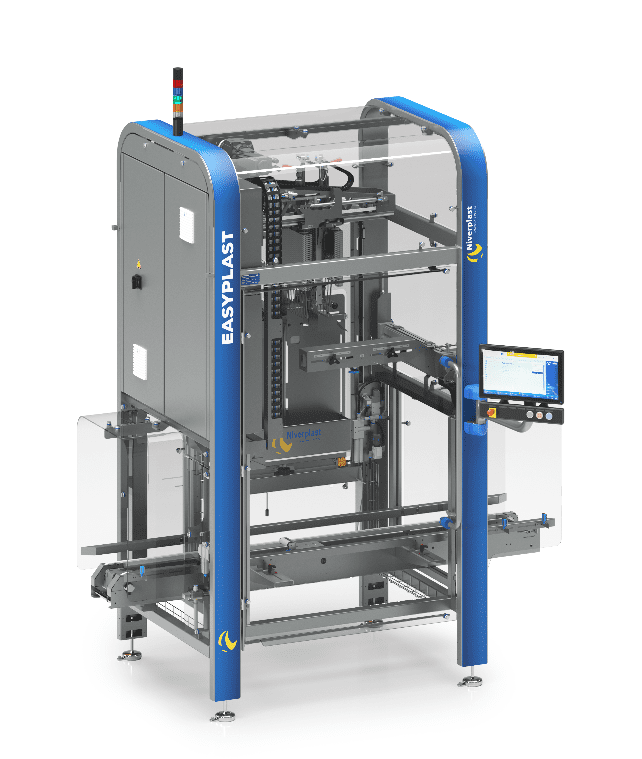
River Oak Orchards in Manteca, Calif., a leading walnut packer, recently replaced a legacy bag inserter with Niverplast’s EasyPlast system to improve reliability and throughput consistency.
“As production demands evolved, River Oak sought a more reliable and flexible solution to support growing throughput requirements while maintaining packaging integrity and product protection,” Williams said.
At River Oak Orchards, the EasyPlast system has processed more than 75,000 cases while recording zero bag-open vacuum failures, demonstrating reliable liner handling and stable bag-in-box production.
“Integrated production monitoring allows operators to track box output, machine cycles and fault trends in real time.”
“The objective wasn’t simply to increase speed — it was to eliminate variability in liner placement,” Williams said. “Once that process becomes stable, everything downstream runs more efficiently.”
Why Processors are Upgrading Now
- Ongoing labor shortages
- Increasing throughput requirements
- Stricter sanitation standards
- Demand for consistent retail and foodservice presentation
- Rising maintenance costs on aging equipment
Automation as a Stability Strategy
For many processors, the question is no longer whether to automate, but where automation removes the most variability.
“Liner insertion may seem like a small part of the process, but when it’s inconsistent, it impacts filling, compression, closing and palletizing. When it’s stable, the entire line benefits,” Williams said.
As nut processors scale production and face continued labor pressure, replacing aging liner equipment is becoming a strategic investment in operational stability.
For more information, visit www.Niverplastna.com
Niverplast © 2026