

Heat has arrived for pecans, and problems come along with it
With the dramatic increases of summer temperatures, pecan trees in the Southeast are showing signs of stress.





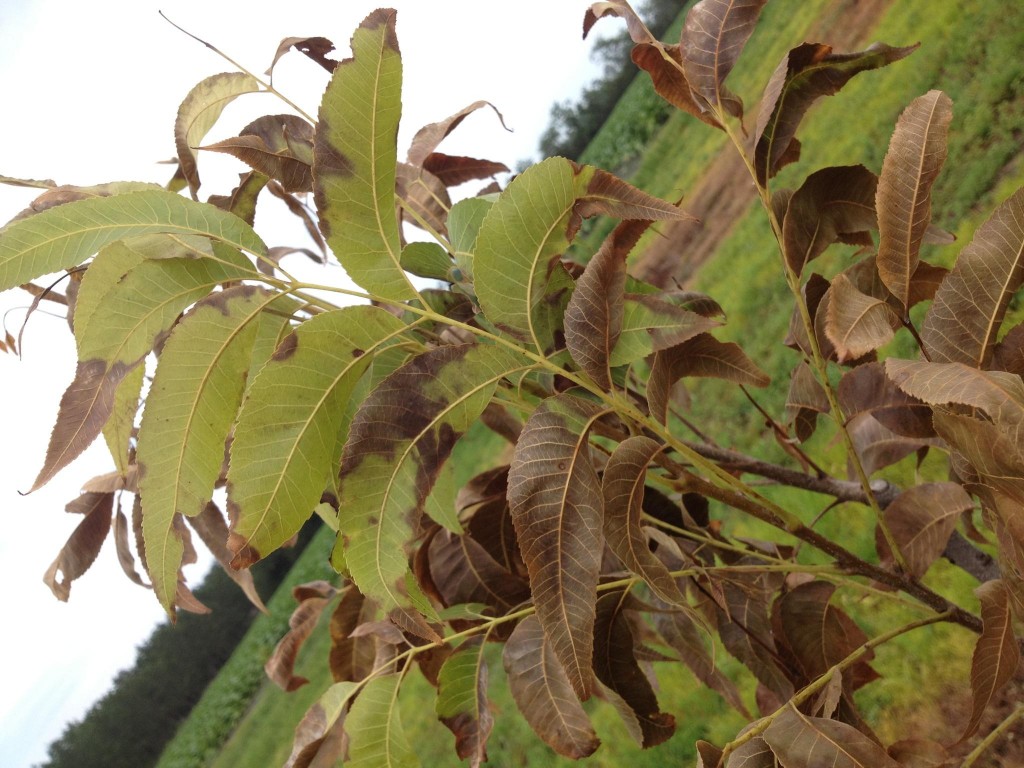
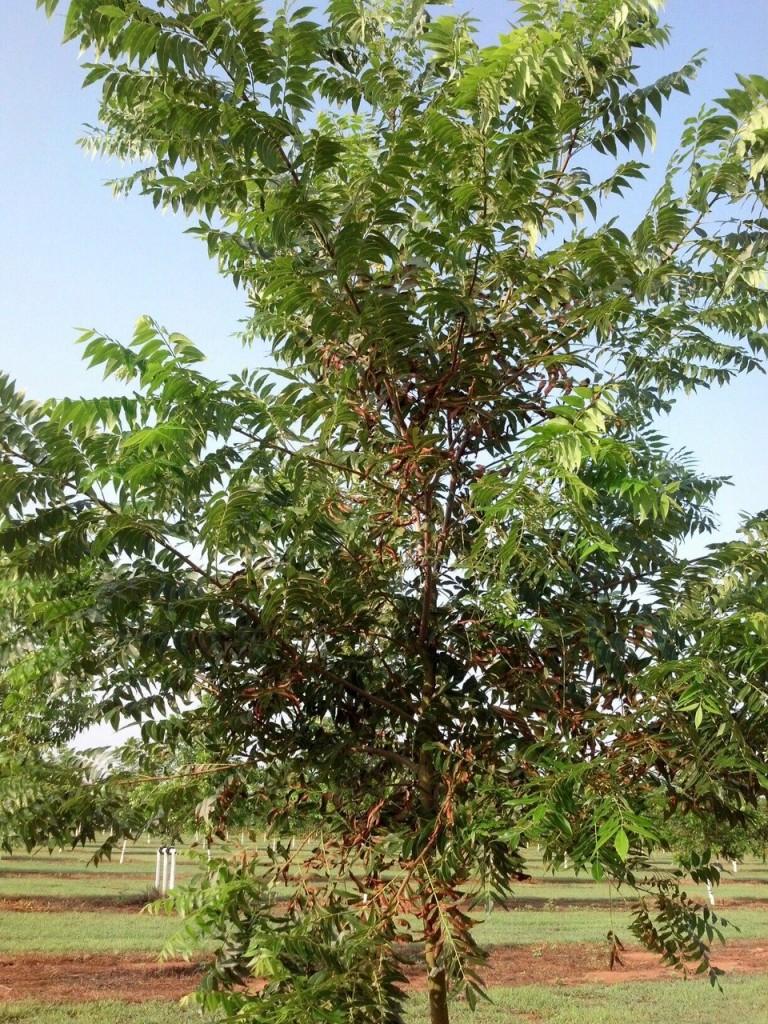
Ultimately, it’s a result of too much tree for too little root system. First year trees are under a lot of stress from transplant shock. They lose a large percentage of the root system from digging and root pruning and are placed in a new soil environment. As a result, the trees are naturally under a little stress. Those that are planted after the end of February will be in even more stress because they don’t get a chance to start getting some root establishment before budbreak. Also, nursery trees that are 8 feet or bigger, especially with large trunk caliper, are subject to even more stress when the top is not pruned hard enough at planting because there is more tree there for the roots to support.

It’s natural for the trees to loose a few feeder roots, which will regrow when conditions are more favorable. Commercially managed trees get dependent on these fragile feeder roots, especially in young, vigorously growing trees. The loss of feeder roots is a bit of a shock, and when they are suddenly no longer there to pick up water for the tree when they need it most, you get scorching.
As trees get older and the root system can adequately support the tree, this problem tends to disappear. Older trees can afford to lose a few feeder roots, and the shade of the tree canopy offers the feeder roots protection from high temperatures.
Cold damage can make the problem worse
Back in mid-March, we had sub-freezing temperatures throughout Georgia, which likely damaged some young trees. This type of damage often does not show up until we see high temperatures because the vascular system, though damaged, can keep up until high temperatures increase the water demand. Once that happens, trees can suffer die back or, if the damage is extensive enough, crash and die. Such trees are especially attractive to ambrosia beetles, of which we have seen more this year than in the last couple years. I think the increase in ambrosia beetle attacks this year is directly related to this injury from the March freeze. Again, cold damage may not be noticeable to the naked eye until foliage begins to scorch/weaken or die back begins or the tree crashes.
How much should you water?
With the arrival of high temperatures, especially amid the dry weather, many growers logically think about increasing their irrigation. But, if you are already irrigating adequately, there is no need to get too heavy handed with the irrigation. It seems to make sense that if the tree is having trouble getting enough water, you would increase the irrigation, but in this case, it’s not that you aren’t applying enough water, it’s that the tree doesn’t have enough root or vascular system to take it up, so applying extra doesn’t solve the problem.
On loamy sands, young trees (1-3 yrs) should generally get 100 gallons per tree per week. This should be distributed over the week by irrigating every other day. Drip irrigated trees should get 50 gallons per week. It is important to distribute this evenly over time. You want to maintain consistent soil moisture. Even on days in which you are not irrigating, you should still easily find the soil moist to the touch. Watering really heavy a couple days a week and letting it get bone dry in between encourages problems.
Young trees on deep sand soils need a little more and should probably get water daily (3-4 hrs per day). Heavy clay soils retain more water, but get rock hard when dry. Water these soils about twice per week at 4 hrs each time for young trees.
Mature/bearing trees should follow the guidelines for our normal irrigation schedule below.
A full cycle = 3,600-4,000 gallons per acre per day
Drip/micro schedule for mature/bearing trees
Month
% Cycle
April
18
May
27
June
36
July
45
August
100
September
100
October
40
Solid-set schedule for mature/bearing trees
Month
% Cycle
April
60
May
70
June
80
July
90
August
100
September
100
October
90
– Lenny Wells, University of Georgia