

Kentucky hazelnut trial tests five eastern filbert blight-resistant cultivars
Morehead State University is testing five eastern filbert blight-resistant hazelnut cultivars at research sites across Kentucky.





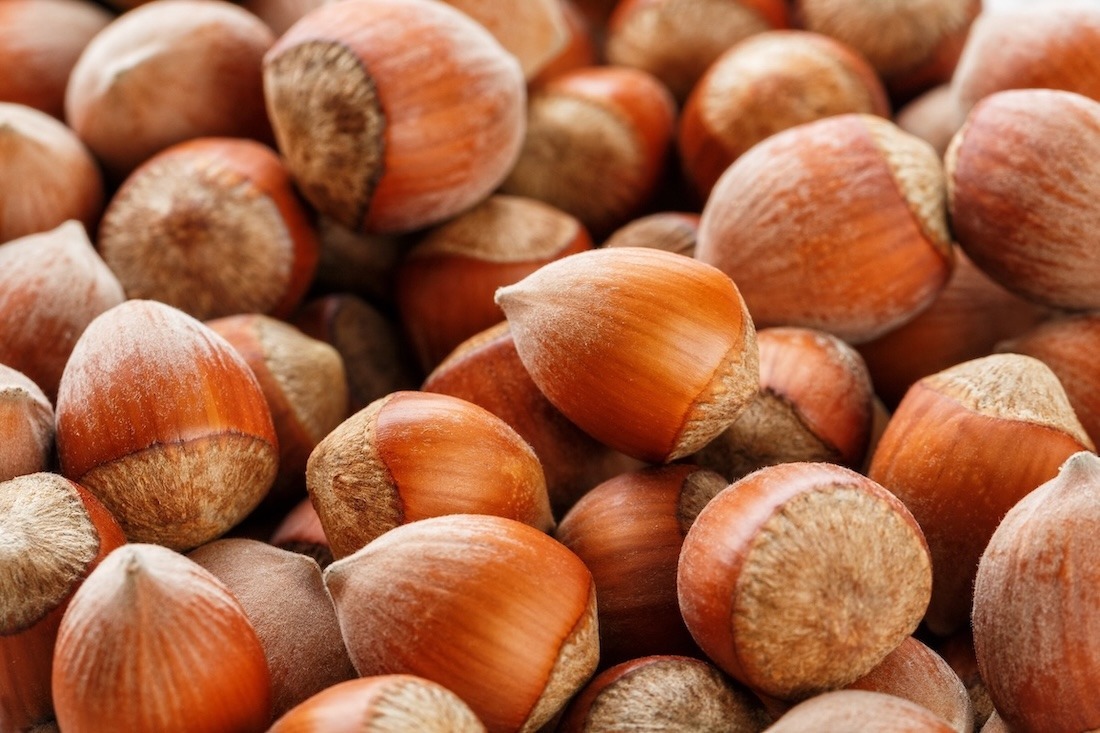
Morehead State University (MSU) researchers are evaluating five eastern filbert blight-resistant hazelnut cultivars at sites across Kentucky as part of a study funded by a 2025 Kentucky Horticulture Council (KHC) research grant.
The research was detailed by authors Alireza Rahemi, Shawn Wright, Kirk Pomper and John Strang in an article, “Evaluating Hazelnut Production in Kentucky.”
The main research plot is at MSU’s Derrickson Agricultural Complex in Rowan County. Researchers are testing five cultivars: Grand Traverse, Monmouth, Raritan, Somerset and The Beast.
The project also includes four off-station sites: Douglas Hines’ farm in Bourbon County; Kevin Gurtowski’s farm in Menifee County; the University of Kentucky Robinson Center in Breathitt County, where Wright is collaborating; and Margaret Townsend’s farm, associated with the North American Truffle Growers Association, in Allen County.
Eastern filbert blight is a fungal disease affecting European and Turkish hazelnut trees. The authors noted that Rutgers University has introduced several resistant cultivars, including Hunterdon, Monmouth, Raritan and Somerset, and recommends The Beast and Grand Traverse as pollinizers that are also tolerant of the disease.
Hazelnuts have a historical connection to Kentucky. Native hazelnuts grew in Appalachia before European settlement, and Hazel Patch, a historic site north of London, Kentucky, was named for the abundance of American hazelnuts in the area.
The authors identified several potential agricultural uses for hazelnuts, including nut production, erosion control, windbreaks and integration with truffle production. They also noted production considerations including pollination compatibility, winter and spring frost injury, Japanese beetles, bud mites, pruning, irrigation and sucker removal.