

Specialty crop growers disappointed in grower aid package
USDA’s $12B Farmer Bridge Assistance program favors row crops, leaving specialty crop growers disappointed. Get more details on the package.





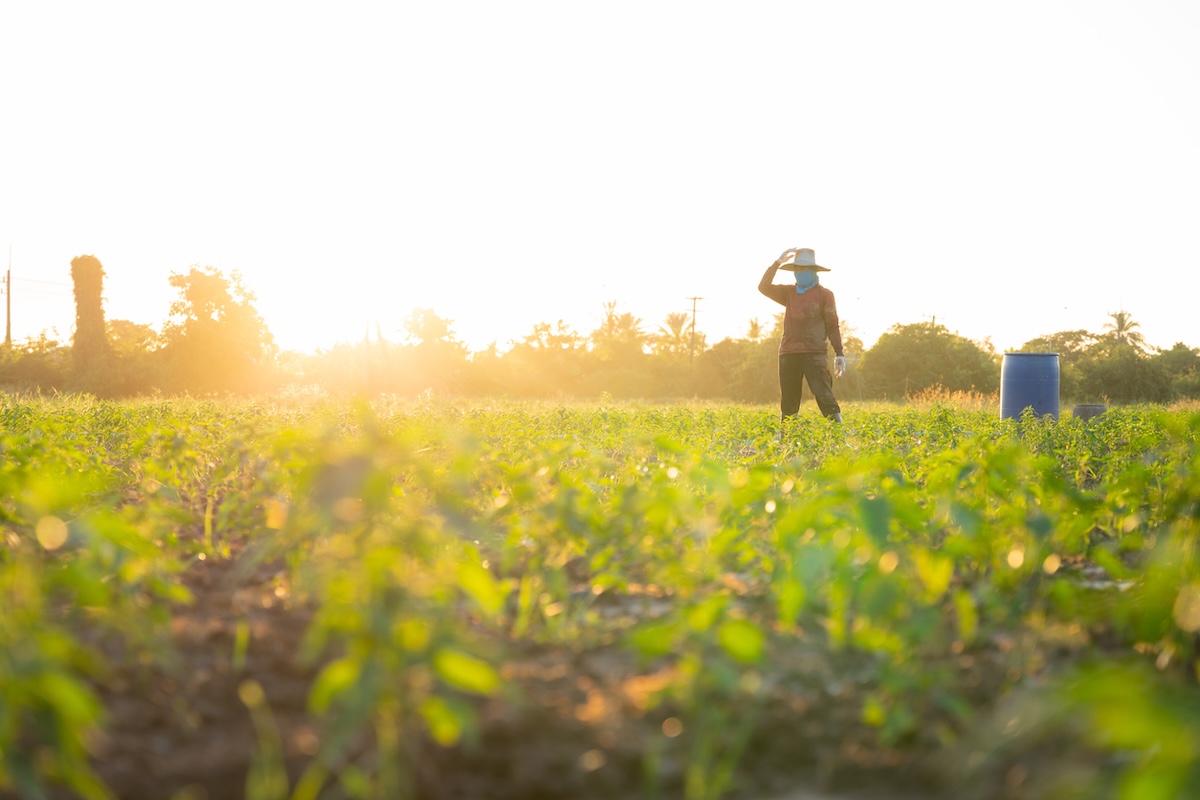
The USDA’s Farmer Bridge Assistance (FBA) program will offer one-time payments to row crop growers, the White House said. Row or commodity crops include soybeans, barley, corn, cotton, peanuts, rice and wheat.
The remaining $1 billion will be reserved for commodities including specialty crops and sugar, according to the USDA, “though details including timelines for those payments are still under development and require additional understanding of market impacts and economic needs,” the department said on its website.
Media outlets including Farm Progress and News From the States quoted USDA Undersecretary Richard Fordyce as confirming that producers must certify that their adjusted gross income is less than $900,000 to be eligible. The FBA program also will limit payments to up to $155,000 per person or legal entity.
Producers are not required to hold crop insurance policies to receive payments.
Specialty crop response
The Specialty Crop Farm Bill Alliance (SCFBA), a national coalition of more than 150 organizations representing growers of fruits, vegetables, dried fruit, tree nuts, nursery plants and other products, had emphasized the importance of including specialty crops in an aid package during months of speculation leading up to the announcement of the FBA program.

“We are disappointed that specialty crop growers were not included in today’s announcement,” SCFBA said in a Dec. 8 statement. “As we wrote to the president on October 6, 2025, family farms that produce safe and nutritious fruits, vegetables, and tree nuts, as well as cultivate the trees, flowers, and plants that play a vital role in the nation’s health and wellbeing, continue to face unprecedented economic challenges.
“We stand ready to work with the administration and Congress to advance a meaningful assistance package to support specialty crop growers during this difficult period.”
The SCFBA is co-chaired by Cathy Burns, CEO of the International Fresh Produce Association; Mike Joyner, president of the Florida Fruit & Vegetable Association; Dave Puglia, president and CEO of Western Growers; and Kam Quarles, CEO of the National Potato Council.
In a joint statement, the National Young Farmers Coalition and the National Sustainable Agriculture Coalition acknowledged the “initial relief” the FBA program will provide but pointed out that more than 92% of the payments will be directed to “a handful of commodities.”
“By nearly any measure, 2025 has presented American farmers with a set of unprecedented challenges,” Mike Lavender, NSAC policy director, said in the statement. “The Farmer Bridge Assistance Program provides some initial relief, but is insufficient on its own. It effectively excludes most specialty crop growers and does little to prevent the loss of farms or farmland due to acute financial hardship.”
Program details
USDA said the FBA program will “help address market disruptions, elevated input costs, persistent inflation and market losses from foreign competitors engaging in unfair trade practices that impede exports. The FBA program applies simple, proportional support to producers using a uniform formula to cover a portion of modeled losses during the 2025 crop year.”
Payments are authorized under the Commodity Credit Corporation Charter Act and will be administered by the Farm Service Agency (FSA). The national loss average is based on FSA reported planted acres, Economic Research Service cost of production estimates, World Agricultural Supply and Demand Estimates yields and prices and economic modeling.

Farmers who qualify for the FBA program can expect payments to be released by Feb. 28, 2026, according to USDA.
Farmers have lost billions of dollars in soybean sales alone this year amid ongoing tariff turmoil. China, the world’s largest importer of soybeans, began boycotting U.S. soybeans in May in retaliation for steep new tariffs by the Trump administration. Of the $24 billion in U.S. soybeans exported in 2024, nearly $13 billion went to China, according to USDA statistics.
Trump and Chinese President Xi Jinping reached a trade deal in October which the White House said involved the resumption of U.S. soybean sales to China.
“Farmers are grateful to President Trump and Secretary Brooke Rollins for providing resources that, for many, could make the difference between staying in business to plant another crop or shuttering a family farm,” American Farm Bureau Federation president Zippy Duvall said in a statement, adding that farmers are “expected to lose $34 billion this year alone” while facing higher household and operating costs.