

Strain on California water system target of ARS research
USDA researchers are developing strategies and approaches to adapt California crop production to climate stressors, including extreme heat and drought.





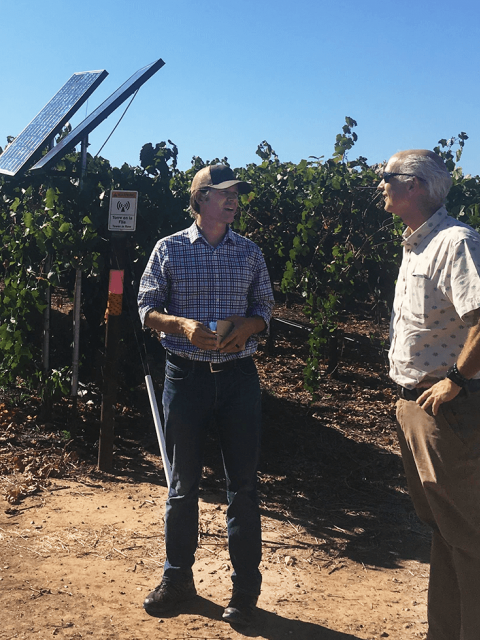
California produces two-thirds of the nation’s fruits and nuts and one-third of its vegetables, but above average temperatures and long-term drought have put a strain on the water resources it takes to grow these crops.
Most of California’s precipitation falls during the winter, which means summertime irrigation is required to produce many of the state’s crops. Higher temperatures and shifting rainfall patterns increase water dem and and reduce supply. As a result, many growers use water-saving strategies like deficit irrigation (limiting water application outside of drought-sensitive growth stages) or incur the high cost of drilling deep groundwater wells.
The California Climate Hub is 1 of 10 USDA-supported regional centers that develop and deliver science-based, region-specific information and technologies to mitigate the effects of climate change on agriculture.
– Scott Elliott, Agricultural Research Service