

Technology takes on bee losses with hive monitoring
U.S. beekeepers face rising colony losses and operational challenges. Learn more about the new hive technology aiming to improve bee health and pollination reliability.





Key takeaways
- U.S. beekeepers reported colony losses exceeding 60% in 2024
- Operational challenges include distance, time and workforce expertise
- Varroa mites remain one of the most damaging threats to colonies
- Automated hive systems aim to detect and treat issues earlier
- Healthier colonies lead directly to improved pollination outcomes
Honeybee health has become one of agriculture’s most pressing challenges. For crops that rely on pollination — including almonds, walnuts and other tree nuts — declining colony health can directly affect production.
Beekeepers and researchers often describe the problem using the “four Ps”: parasites, pathogens, poor nutrition and pesticides. Together, those pressures have contributed to increasingly severe colony losses across the U.S.
Recent industry reports suggest U.S. beekeepers experienced colony losses of more than 60% in 2024, one of the highest levels on record.
For growers who depend on pollination services, those losses raise concerns about the long-term stability of managed honeybee populations.
But according to Eliyah Radzyner, vice president of revenue for AgTech company Beewise, the conversation about bee health often overlooks another challenge: the practical realities of managing large numbers of hives.
“People focus on what’s hurting the bees,” Radzyner said. “We started asking a different question: How could we do a better job protecting them?”
Distance, time and expertise
Commercial beekeeping operations often manage thousands of colonies spread across large geographic areas. Hives are typically placed in smaller groups across multiple yards, requiring crews to travel between locations to inspect them.
That creates what Beewise describes as three core operational challenges: distance, time and expertise.
“Beekeeping is unique because the hives are far apart and constantly moving,” Radzyner said. “A crew may visit several yards in a day, but it might be two or three weeks before they come back to the same location.”
In the meantime, problems inside the hive like pests, disease or food shortages can continue developing.
“You could say beekeepers aren’t there about 90% of the time,” Radzyner said.
Another challenge involves workforce experience. While many commercial beekeeping operations are run by highly skilled, multi-generation beekeepers, day-to-day hive inspections are often performed by newer workers.
“A single beekeeper may be responsible for thousands of hives,” Radzyner said. “The people opening them every day are often beginner beekeepers.”
Those factors can make it difficult to identify and address issues quickly enough to prevent colony losses.
Technology inside the hive
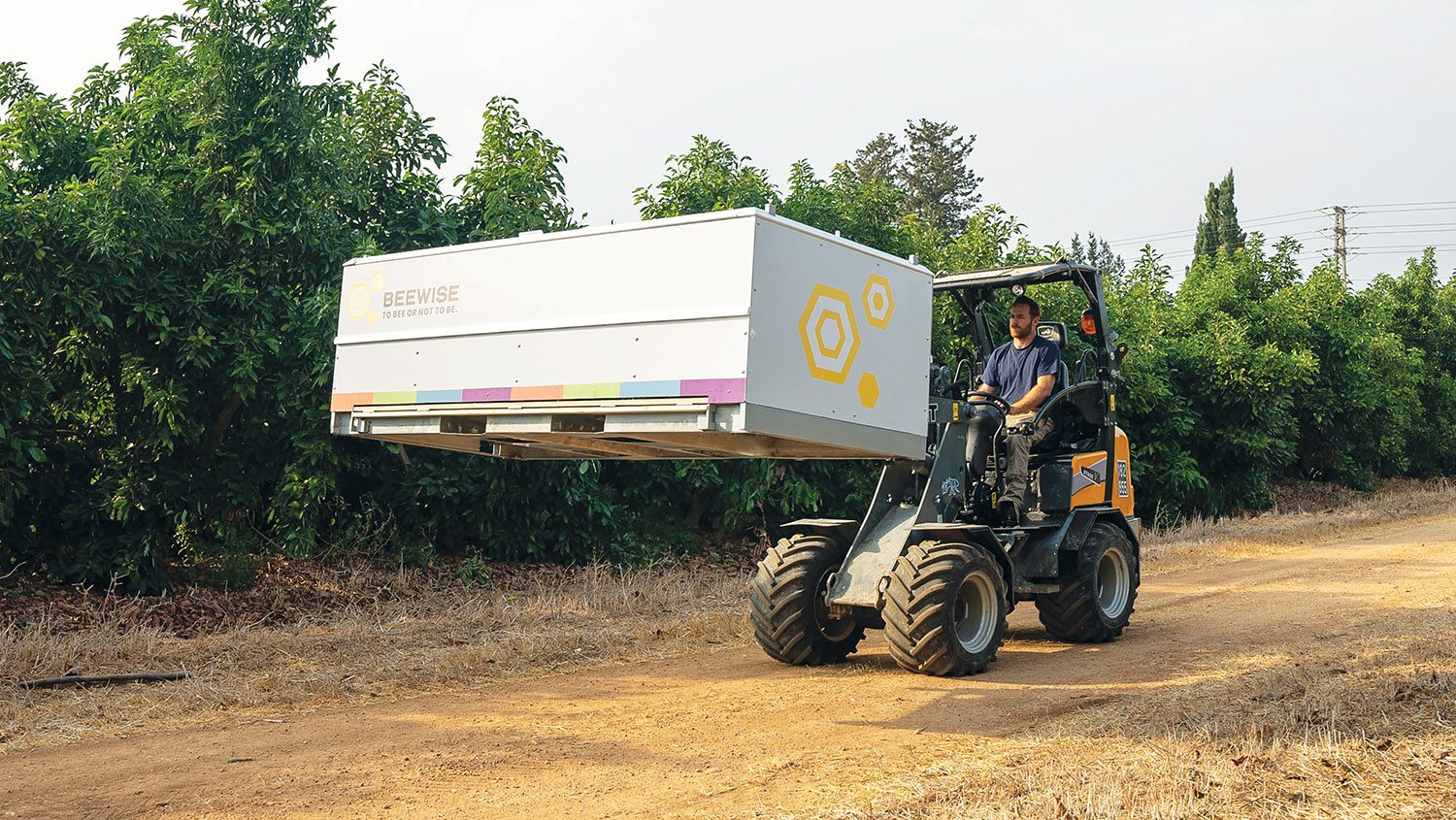
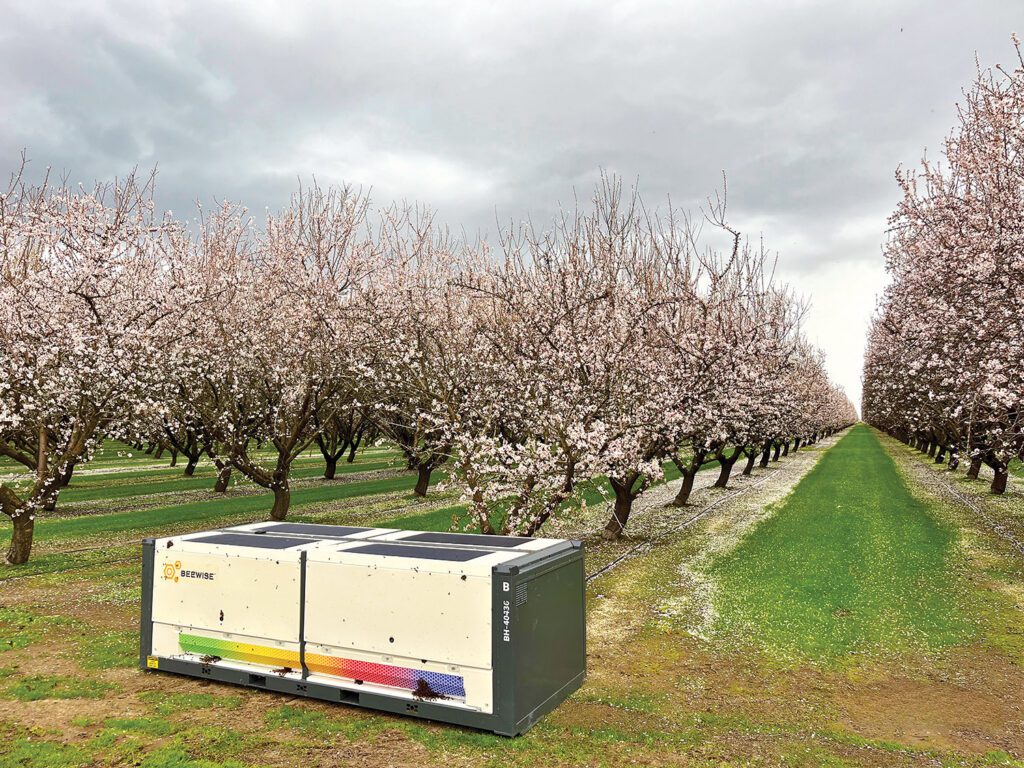
Founded in 2018, Beewise developed an automated hive system called BeeHome that combines robotics, sensors and artificial intelligence to monitor hive conditions. Inside the unit, a robotic arm can remove frames, photograph them and analyze the images using computer vision software.
Each frame contains thousands of individual cells. Machine-learning models identify bees, brood and parasites while tracking changes inside the hive over time.
“We’re essentially translating what a beekeeper sees with their eyes into data,” Radzyner said.
The system can then trigger actions such as feeding colonies, regulating hive temperature or treating pests. The goal is to respond to problems before they escalate.
“When people get sick, immediate treatment usually leads to a quicker recovery,” Radzyner said. “If you wait three weeks, it’s a different situation. The same principle applies to bees.”
Among the most damaging pests affecting honeybees is the parasitic Varroa mite. Traditional treatments typically target mites attached to adult bees, but many mites reproduce inside capped brood cells where they are protected from treatments.
“At any given time, about two-thirds of the mites in a hive are inside those cells,” Radzyner said.
Beewise’s system identifies infested brood cells and uses controlled heat treatment to eliminate mites without harming developing bees. Research conducted with the system found the treatment can eliminate about 90% of Varroa mites in capped brood.
Growers evaluating pollination services have shown particular interest in this capability.
“When we first spoke with growers, we thought they would be most interested in pollination data like bee activity or flight hours,” Radzyner said. “But what they really want to know about is mites.”
Healthy colonies, he said, ultimately translate to more reliable pollination.
According to the company, colony losses in BeeHome systems have been reported as low as 8%, compared with industry averages approaching 48%.
Field research has also shown increased bee activity during pollination periods. In one almond orchard trial, BeeHome colonies recorded roughly 40% more activity at hive entrances during cooler winter conditions.
That increased activity means more bees leaving the hive to forage and pollinate flowers.
“If you solve the core challenges affecting the bees — mites, nutrition and temperature — pollination improves naturally,” Radzyner said.
Balancing innovation and tradition
Like many emerging technologies in agriculture, automated hive systems have received mixed reactions within the beekeeping community.
Some beekeepers remain skeptical, particularly generational families who have worked with bees.
“At first some say, ‘We’ve been doing this for 150 years,’” Radzyner said.
Others see technology as a tool that could help address long-term industry challenges.
“Our mission is simple: Save the bees,” Radzyner said. “There are companies working on nutrition, disease and pesticides. We’re trying to contribute on the technology side.”
With roughly three-quarters of food crops relying on pollination to some degree, the stakes extend far beyond the beekeeping industry.
“Every flower has to be visited,” Radzyner said. “Without bees, the impact on agriculture would be enormous.”
FAQ
What are the main causes of honeybee colony losses?
Parasites, pathogens, poor nutrition and pesticides are commonly cited as key factors.
Why are Varroa mites so harmful?
They reproduce inside capped brood cells, making them difficult to treat and a major driver of colony decline.
What challenges do commercial beekeepers face?
Managing hives across large distances, limited inspection time and varying worker experience.
How does automated hive technology help?
It monitors hive conditions, detects problems early and can trigger treatments like feeding or pest control.
Does improved bee health affect crop production?
Yes, healthier colonies lead to more consistent and effective pollination.
Photos courtesy of Beewise.