

Don’t stop at harvest: A checklist for healthier almond orchards
Almond growers can manage disease risks through fall sanitation, irrigation and scouting. Assess orchard conditions and prepare root protection plans.


Key takeaways
- The six to eight weeks following almond harvest provide an important window for restoring tree health and preparing for the next season.
- Postharvest irrigation helps replenish soil moisture, support nutrient uptake and maintain root activity before dormancy.
- Reducing infected leaf litter can help lower overwintering inoculum responsible for red leaf blotch infections.
- Scouting poorly drained areas and monitoring crown symptoms can help identify potential Phytophthora concerns.
- Orchard disease history and resistance-management practices should inform fungicide planning for the following season.
- Irrigation, sanitation, root protection and disease planning can help growers prepare orchards for spring bloom.
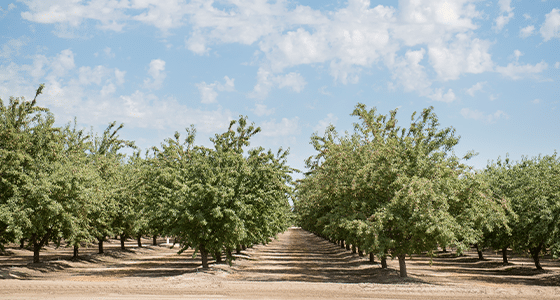
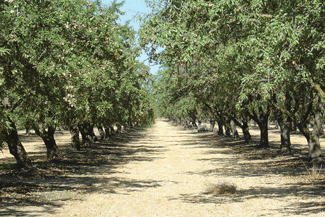
For many almond growers, harvest can feel like the finish line. Once the last load leaves the orchard, attention naturally shifts to the next task on the calendar. However, the six to eight weeks immediately following harvest can be one of the most influential periods in setting the stage for next season’s success.
During this period, trees are still replenishing carbohydrate reserves — roots remain active before dormancy and disease-causing inoculum can begin establishing. Growers who prioritize irrigation, sanitation and disease planning during this window can enter bloom with healthier trees and lower disease pressure.
Restore postharvest irrigation and nutrition
Re-establishing irrigation after harvest should be one of the first priorities in almond orchards. Because irrigation is often reduced or shut off to support harvest operations, delays afterward can add stress during a critical recovery window. Restoring soil moisture helps maintain nutrient uptake, rebuild carbohydrate reserves and support root activity before dormancy.
Where water availability and soil conditions allow, growers should consider applying enough irrigation to move salts accumulated during the season beyond the root zone. Restoring the soil profile after harvest can support healthy root function and prepare trees for the next growing season.
Reduce overwintering sources of disease
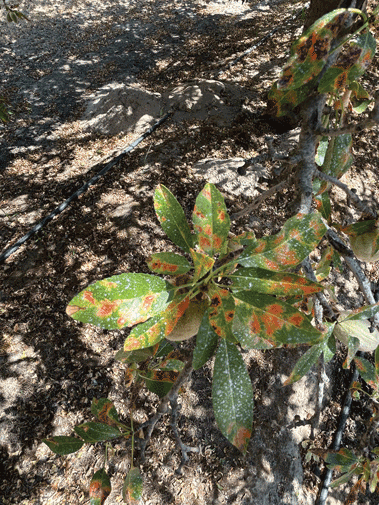
Postharvest sanitation provides one of the earliest opportunities to reduce disease pressure before spring arrives, especially when it comes to preventing difficult diseases like red leaf blotch. The pathogen survives in infected leaves that fall to the orchard floor after harvest.
Florent Trouillas, professor of Cooperative Extension in the Department of Plant Pathology at the University of California, Davis, emphasized the importance of sanitation:
“These leaves are infected, and when they fall on the ground at the end of the growing season, they contain the inoculum source that will produce the spores responsible for the next disease cycle,” he said.
As infected leaf litter decomposes during fall and winter, the red leaf blotch pathogen develops structures that release spores during spring rainfall events. Reducing leaf litter helps lower the amount of inoculum available to initiate new infections.
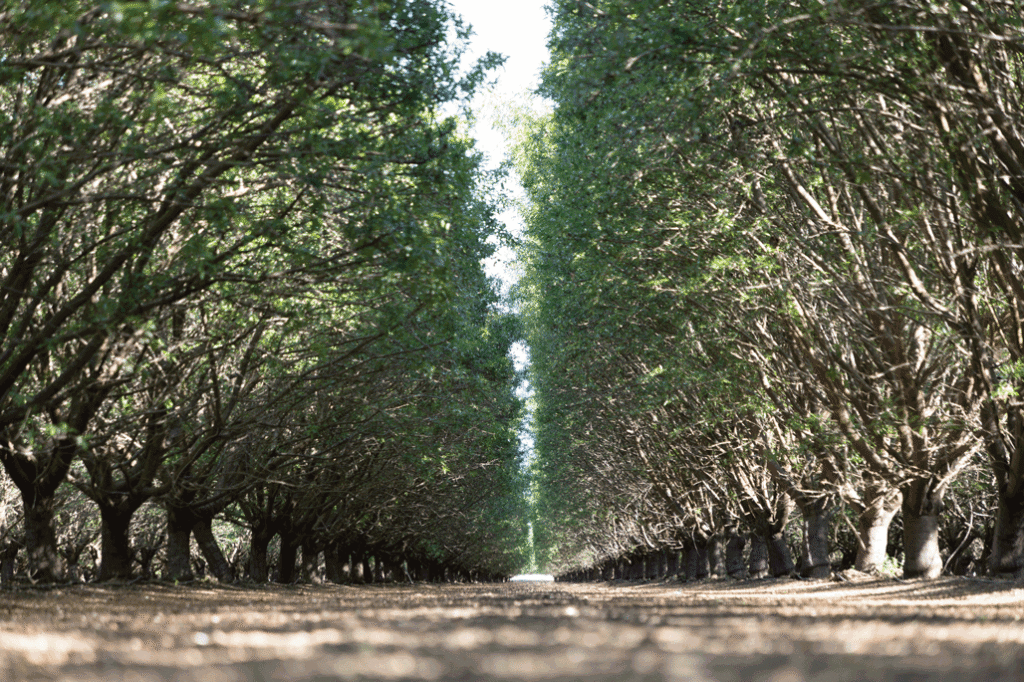
A fall leaf application in late fall season can promote leaf drop, moving infected leaves from the canopy to the orchard floor and helping reduce overwintering inoculum. Effective inoculum reduction also depends on timely leaf-litter decomposition through orchard-floor sanitation practices such as shredding and, where appropriate, incorporation.
Scout, sanitize and protect root health
While sanitation helps reduce above-ground disease pressure, postharvest scouting should also focus on what is happening below the soil surface. Some of the most significant challenges following a wet spring begin in the root zone long before symptoms become visible.
Phytophthora should remain top of mind heading into fall, particularly in orchards that experienced prolonged wet conditions earlier in the season. Because the pathogen requires saturated soils to infect roots and crowns, damage often begins months before trees show signs of stress.
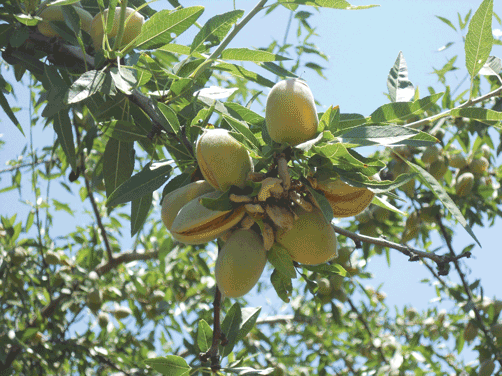
Postharvest scouting provides an opportunity to identify problem areas before dormancy. Pay close attention to poorly drained areas, wet spots that hold standing water and trees showing signs of reduced vigor. Crown gumming may also indicate underlying root health concerns.
Young orchards deserve additional attention because their smaller root systems are more vulnerable to extended saturation events. Soil type, drainage and irrigation design can also influence risk.
Irrigation emitters positioned too close to tree trunks may create favorable conditions for Phytophthora infections, particularly in susceptible rootstocks.
Document disease pressure and plan for spring
Fall disease management should not be viewed as a standalone application decision. Instead, growers should treat this period as the starting point for next season’s disease management program.
Reviewing orchard history and scouting observations can help identify areas where disease pressure was highest during the season. Red leaf blotch, Phytophthora, shot hole, hull rot, rust and other diseases should all factor into planning decisions. Understanding where problems occurred helps growers build more targeted disease management programs for bloom and petal-fall timing the following spring.
As trees transition into dormancy, the fall root flush creates another important planning window. For orchards with a history of Phytophthora or sites prone to prolonged soil moisture, growers should evaluate root-protection strategies during this period. Products such as Orondis fungicide can be incorporated into a broader disease management program to help protect roots from soilborne pathogens while supporting healthy root function heading into winter.
Because healthy roots support water uptake, nutrient movement and overall tree performance, protecting root systems in the fall can provide benefits that extend into the following season.
Effective fungicide planning also requires a long-term approach to resistance management. Repeated use of the same chemistry can increase resistance risk and reduce performance over time. By alternating FRAC groups and consulting University of California Integrated Pest Management (UC IPM) and University of California Agriculture and Natural Resources (UC ANR) management guidelines, growers can make more informed product decisions while helping preserve the effectiveness of important disease-management tools.
Looking ahead to bloom
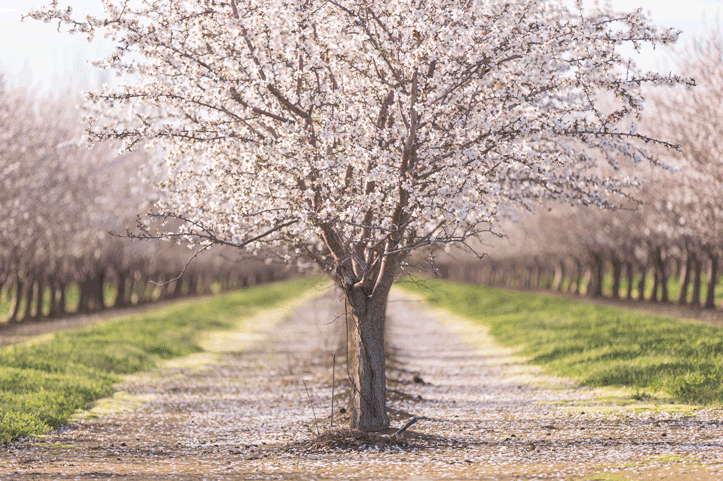
Successful almond production begins long before the first flowers emerge in spring. The decisions growers make immediately after harvest can often determine how much disease pressure, stress and risk they carry into the next growing season.
By prioritizing irrigation, sanitation, root health and proactive planning, growers can position orchards for a stronger start next year.
All photos courtesy of Syngenta.
FAQ
Why is postharvest care important for almond orchards?
The six to eight weeks after harvest are important for rebuilding carbohydrate reserves, supporting active roots and managing disease pressure before dormancy.
How can almond growers reduce red leaf blotch after harvest?
Growers can reduce overwintering inoculum through orchard-floor sanitation practices, including shredding infected leaf litter and incorporating it where appropriate.
What are signs of potential Phytophthora problems in almond orchards?
Poor drainage, standing water, reduced tree vigor and crown gumming can indicate areas requiring further attention.
Why should almond growers restore irrigation after harvest?
Restoring irrigation supports nutrient uptake, carbohydrate reserves and root activity during the recovery period before dormancy.
How should growers plan fungicide applications for the following season?
Growers should review orchard disease history, alternate FRAC groups and consult UC IPM and UC ANR management guidelines.
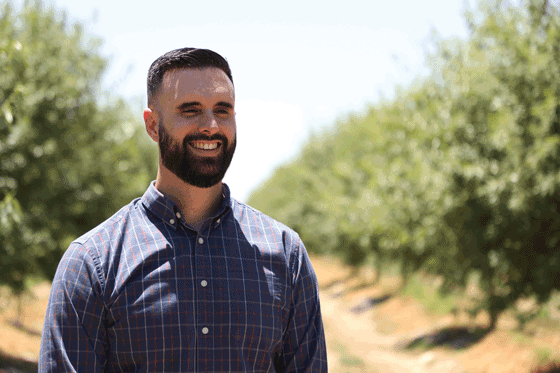
Roberto Iturralde is an agronomic service representative with Syngenta in Fresno, California. He is also a certified crop advisor and pest control advisor, specializing in permanent crops including grapes, tree nuts, citrus and more. He can be reached at roberto.iturralde@syngenta.com.