

California releases San Joaquin River watershed studies to guide flood-managed aquifer recharge
California releases studies on Flood-MAR to boost groundwater recharge and reduce flood risk. Learn how communities and ag can benefit.





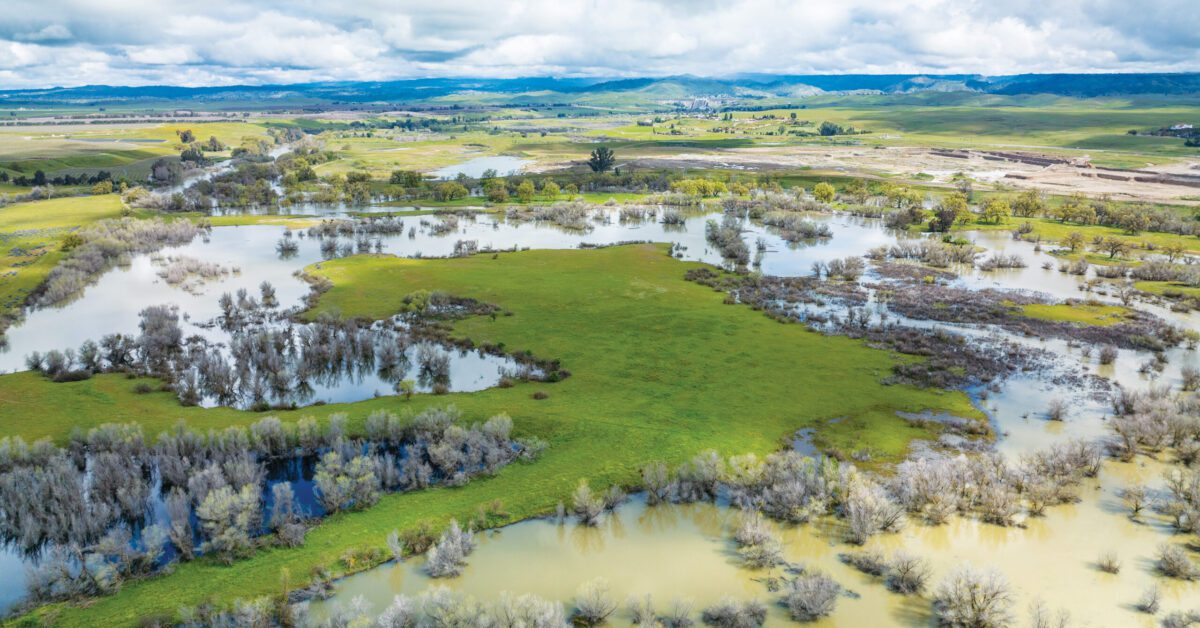
The California Department of Water Resources in December released a series of San Joaquin Basin Flood-Managed Aquifer Recharge watershed studies aimed at improving groundwater recharge, reducing flood risk and informing long-term water management in the region, according to a release from Sustainable Conservation.
 The studies examine how climate-driven shifts in flood and drought patterns could affect five major watersheds along the San Joaquin River. They identify locations where flood-managed aquifer recharge, known as Flood-MAR, and changes to reservoir operations could help strengthen groundwater supplies while reducing flood hazards.
Flood-MAR involves diverting excess stormwater during high-flow events onto farmland or other suitable landscapes, allowing water to percolate into underground aquifers. Groundwater can supply up to 60% of California’s water needs during drought years, according to state estimates.
The watershed studies provide regional data on hydrology, infrastructure and recharge potential to help local agencies better coordinate diversions, improve public safety and enhance water supply reliability across the San Joaquin Valley.
The region contains some of California’s most critically overdrafted groundwater basins, where declining water levels, dry domestic wells and nitrate contamination continue to affect rural communities, farms and ecosystems. State officials and water managers have increasingly focused on capturing wet-year flows as a way to stabilize groundwater conditions.
“These studies help point us to the places where recharge can work,” said Roshni Katrak-Adefowora, a senior data specialist at Sustainable Conservation. “Now we must make sure the benefits reach the communities that have the most to gain.”
She said that includes improving drinking water safety, reducing flood risks and ensuring local communities are involved in shaping future recharge projects.
“DWR’s watershed studies will be transformative in helping the state and local water managers better leverage Flood-MAR to provide a reliable water supply,” added Richael Young, senior director of Sustainable Conservation’s Water for the Future program. “With local climate data and smarter coordination, California can capture more water during wet years to mitigate flooding and replenish aquifers.”
The research was developed with input from multiple public and private partners, including engineering firms, environmental consultants and regional irrigation districts. DWR said the findings are intended to support future planning and project development as California adapts its water systems to more extreme weather conditions.