

February almond position report shows mixed demand, weaker domestic shipments
Domestic almond shipments lag while exports hold steady in February 2026. See the full report and trends for the 2025-26 crop year.





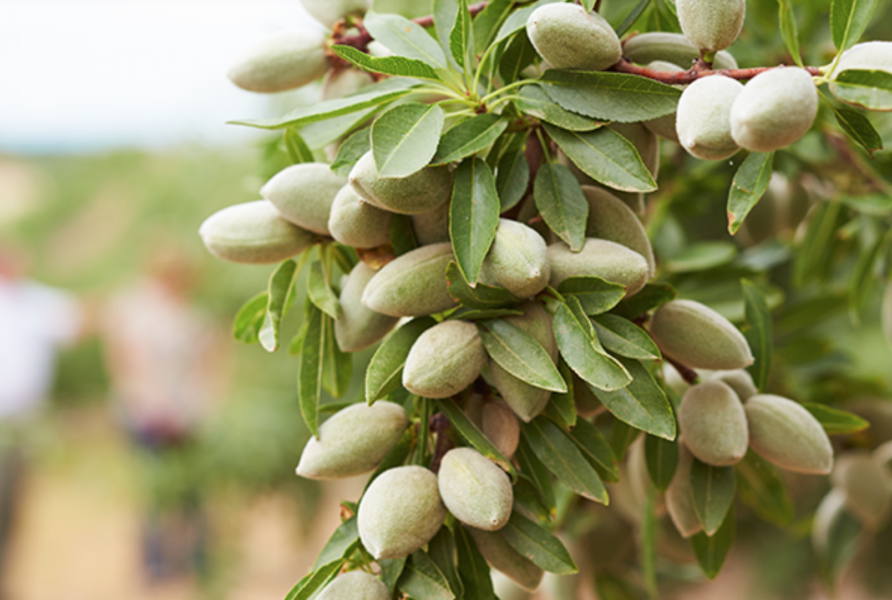
Total shipments for the 2025-26 crop year reached 1.59 billion pounds through the end of February, down 4.4% compared to the same period last year.
Domestic shipments continue to lag
According to the February position report, domestic shipments remain the primary area of weakness. Year-to-date domestic movement totaled 413.7 million pounds, marking a sharp 18.1% decline from the previous season.
Exports hold steady
In contrast, export shipments continue to provide stability for the industry.
Year-to-date exports reached 1.17 billion pounds, essentially flat year-over-year with a slight 0.4% increase. February export shipments were particularly strong at 196.1 million pounds, up from 158.8 million pounds a year ago.
Growth was driven by strong demand in regions such as Southeast Asia and parts of the Middle East, helping offset declines in markets like Northeast Asia.
Supply remains ample
Carry-in inventory at the start of the crop year was higher than the previous season, contributing to overall availability despite a near-identical crop size year-over-year. Computed inventory as of the end of February totaled 1.54 billion pounds, a 3.2% decrease from the same time last year.
Uncommitted inventory also declined modestly to 964.9 million pounds, indicating some tightening in available supply.
Commitments show mixed signals
Total commitments — product sold but not yet shipped — reached 577.4 million pounds, down 2.8% year-over-year.
Domestic commitments were slightly higher, while export commitments declined, suggesting near-term shipment patterns may remain uneven across markets.
Outlook
The February report underscores a familiar theme for the current crop year: steady export demand continues to offset weaker domestic performance.
With inventories still elevated but trending downward, the industry will likely look to sustained export strength and potential improvement in domestic demand to support market balance heading into the latter half of the crop year.