

Ventura County among fastest-warming U.S. regions, UC ANR scientists warn farmers
Ventura County is among the fastest-warming U.S. regions, impacting local crops. UC scientists offer farmers tools and guidance to adapt.





“Ventura County turns out to be one of the fastest warming counties in the entire United States,” said Daniel Swain, climate scientist, UC ANR, during a public workshop in Camarillo. “This is the most up-to-date global warming map you could possibly get… and it’s even more red and orange than it was last year, meaning the warming, of course, is even greater.”
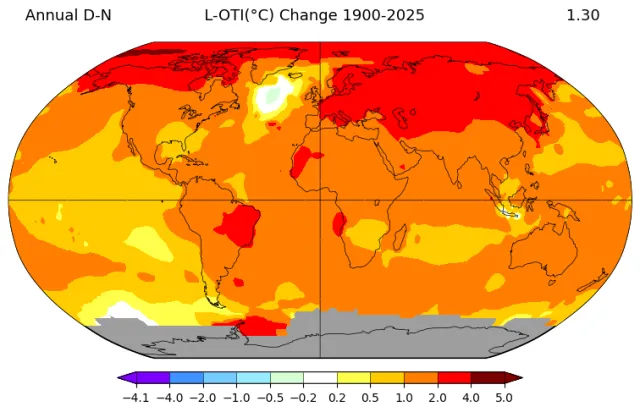
Swain and other UC experts highlighted multiple factors driving the county’s exceptional warming, including urban development and recent Pacific Ocean warming. Replacing natural vegetation with concrete and pavement creates an urban heat island effect, which traps heat in cities, while rising ocean temperatures influence local weather patterns.
Farmers attending the workshop shared firsthand experiences with extreme weather events.
“Recently, we had a mudslide that just destroyed our irrigation system,” said Lisa Tate Soury, a coffee, avocado and lemon grower and owner from Rancho Filoso. Her 12-year-old son, Tate Soury, added in a written statement: “Damage isn’t happening once in a while anymore. It’s happening almost every year. A few degrees hotter might not sound like much, but it really is… it slowly wears crops down over time.”
Some growers noted unexpected benefits from shifting conditions. William Terry, a local farmer, said milder winters have allowed him to grow celery and cilantro in areas previously at risk of frost.
UC ANR experts also presented tools to help farmers adapt. Tapan Pathak, Cooperative Extension specialist, UC Merced, introduced CalAgroClimate, a free website that provides crop-specific weather forecasts and pest information. Ben Faber, UC Cooperative Extension advisor, and colleagues unveiled two irrigation calculators designed for Ventura growers, giving tailored watering schedules to improve water use efficiency.
“Part of my position is to walk through these resources with you,” said Lilian Thaoxaochay, UC Cooperative Extension advisor. “You don’t have to do these things alone.”
The workshop included representatives from the Ventura County Agricultural Commission, Farm Bureau of Ventura County and USDA’s Farm Service Agency. Presentations are available on the Ventura UC Cooperative Extension YouTube channel.
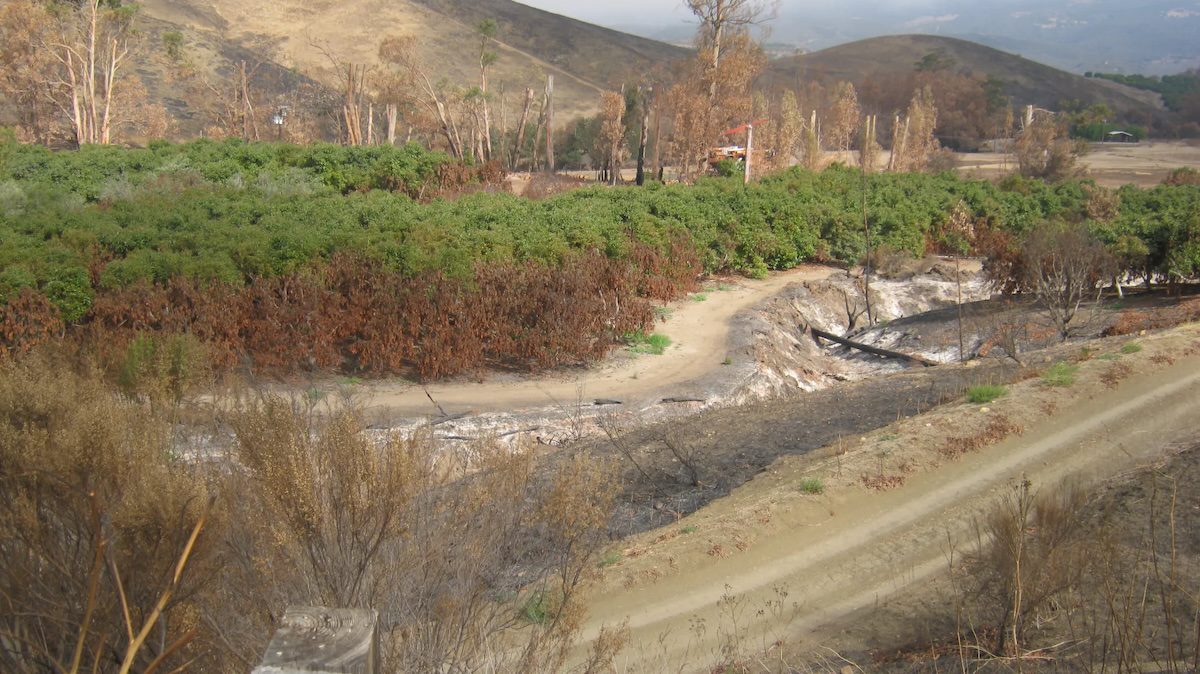
Top photo: Burned avocado trees in Goleta. Photo courtesy of UC ANR.