

Lessons at harvest: Reading the season behind the crop
Harvest reflects the season’s weather, irrigation and pest management outcomes. Examine crop results and compare management decisions for future improvement.





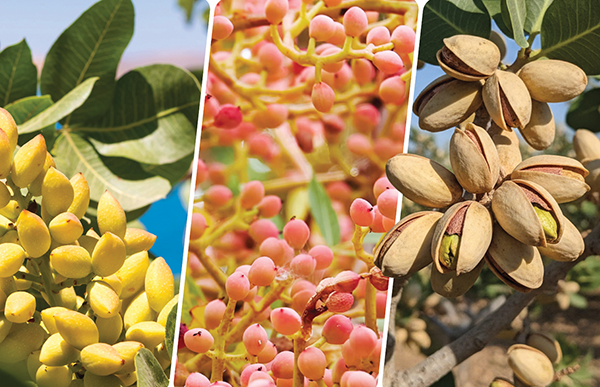
Key takeaways
- Harvest data provides insight beyond total yield.
- Bloom heat influenced orchard performance and management decisions.
- Irrigation, salinity, fertility and pest pressure all affected crop outcomes.
- Cost optimization is more valuable than simply reducing expenses.
- Harvest reflection helps improve decisions for the following season.
Every grower knows the old truth that no two years are the same. Weather changes, water availability changes, pest pressure shifts, markets move and orchards respond differently than they did the year before. This year was no exception. As harvest approaches, I find myself thinking less about any one decision and more about the season as a whole. As the crop starts coming off, every grower asks some version of the same question: What did this year teach me?
For me, a lot of that reflection started during bloom. The heat we experienced this spring immediately made growers study their orchards differently. I remember looking at trees and trying to understand how those hot days might affect set, crop retention and eventual yield. At the time, there was no way to fully know. You could walk the blocks, look at rachis health, watch nutlet development and compare varieties and elevations, but part of the answer was always going to show up later.
That is one of the difficult parts of farming permanent crops. Once a stress event happens, the options narrow quickly. You manage irrigation, try to keep trees from falling further behind and make the best decisions available with the information in front of you. But you also start thinking about the orchard’s condition before the event arrived. Soil moisture, carbohydrate reserves, salinity, root health, irrigation uniformity, crop load and overall tree vigor all influence how well an orchard can tolerate stress.
I also found myself thinking about tools that may have had a place in that window. Could a sunblock, reflective material or biostimulant application have reduced some of the heat stress? Possibly, depending on timing, rate, coverage, tree condition and the nature of the heat event. But I am cautious about pretending any one practice can overcome a complicated physiological problem. Pistachios are influenced by chill, bloom timing, variety, rootstock, soil moisture, stored carbohydrates, salinity, fertility and tree age. Those factors stack on each other.
That is why harvest is such a useful time to slow down and read the season behind the crop. Yield matters, but the crop report is more than pounds. Split percentage, blanks, staining, insect damage, crop removal, maturity and block-to-block consistency all tell part of the story.
Those numbers may point back to bloom conditions, nut fill, irrigation timing, pest pressure, soil limitations, salinity or harvest timing. The goal is to connect what we observed during the season with what actually came off the tree.
Market conditions are certainly part of the reflection. Good prices matter and growers should not apologize for needing them. A strong market gives an operation more ability to absorb weather risk, rising costs and the uncertainty of farming a crop for an entire season before knowing the final outcome. A good price can also make it easier to overlook weaknesses that still need attention. A block may pencil in a strong market while still showing signs that water, soil, pest pressure or tree health need a harder look before next season.
This year reminded me how rarely problems arrive alone. Bloom heat may have been the most obvious early-season event, but it was not the only issue growers had to manage. In some orchards, mealybug pressure created concern. Alternaria risk had to be watched where canopy density, humidity and disease history lined up. Navel orangeworm timing remained critical as hull split approached and growers balanced spray decisions, harvest timing, residue concerns and cost. At the same time, water costs, labor availability, equipment needs and input prices shaped every decision.
This is where the conversation needs to be less about simple cost cutting and more about cost optimization. Cutting costs sounds good until the wrong cut costs more later. In permanent crops, a skipped input, delayed pass, weak irrigation set or missed pest window can carry consequences beyond one season. The better question is whether each dollar spent had a purpose and protected yield, quality, tree health or next year’s potential.
That does not mean every issue requires another input. Sometimes the answer is better timing, better measurement, improved irrigation distribution, corrected salinity problems, adjusted fertility, tighter pest monitoring or being honest about underperforming ground. In a year like this, the most valuable management decision may be separating what truly helped from what simply added cost.
As harvest gets closer, I am hopeful that a decent pistachio crop and a good market bring some prosperity. Some growers will be up, and some will be down, but either way, this is the right time of year to study what the season exposed. The bloom heat, pest pressure, water decisions, weak spots, strong blocks and harvest results all have something to tell us. The reflection is not just whether we spent more or less but whether we spent wisely enough to set the orchard up for the next challenge.
Every season teaches something. This year, for me, the lesson is to keep reading and measuring the orchard more carefully, especially when conditions challenge what we thought we knew. Harvest may close one season, but it also starts the thinking for the next one.
FAQ
What can harvest reports reveal besides yield?
Harvest reports can show split percentage, blanks, staining, insect damage, crop removal, maturity and block-to-block consistency.
Why was bloom heat significant this season?
Bloom heat affected orchard conditions and influenced growers’ observations and management decisions.
Which orchard factors influence stress tolerance?
Soil moisture, carbohydrate reserves, salinity, root health, irrigation uniformity, crop load and tree vigor all influence stress tolerance.
What pests and diseases were highlighted?
The article discusses mealybugs, Alternaria and navel orangeworm.
What is the author’s main recommendation?
Use harvest results to evaluate the season carefully and improve management decisions for the next crop.
Joe Coelho is the director of sustainability and member outreach for American Pistachio Growers (APG). APG is a nonprofit trade association representing over 830 grower members in California, Arizona, New Mexico and Texas. For a deeper dive into this topic, you can reach Coelho at jcoelho@americanpistachios.org.