
Category: Pollination
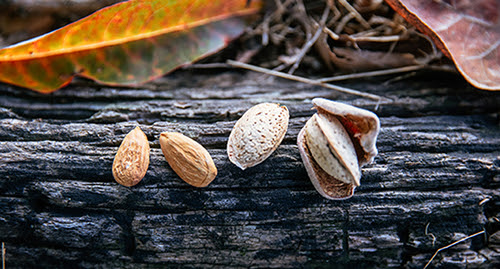
Researchers develop self-pollinating almond with many tasty traits
The Yorizane variety is showing promise after getting Tuono’s self-fertility genes and almost all of the favored traits of Nonpareil, making it one of the best-rated varieties.

Sourcing Sustainability
Major snack food company makes a significant pledge.
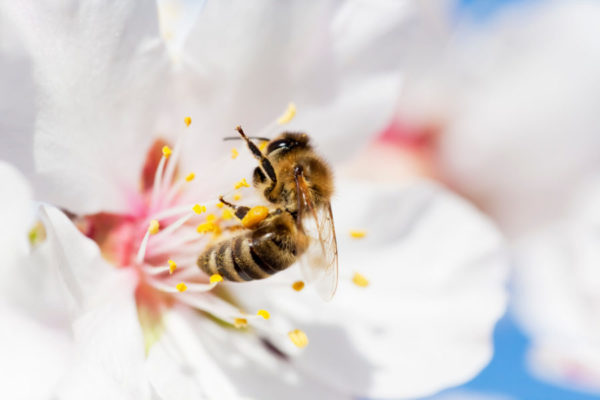
It takes a village
Bee-focused partnerships move growers toward more sustainable almond production.

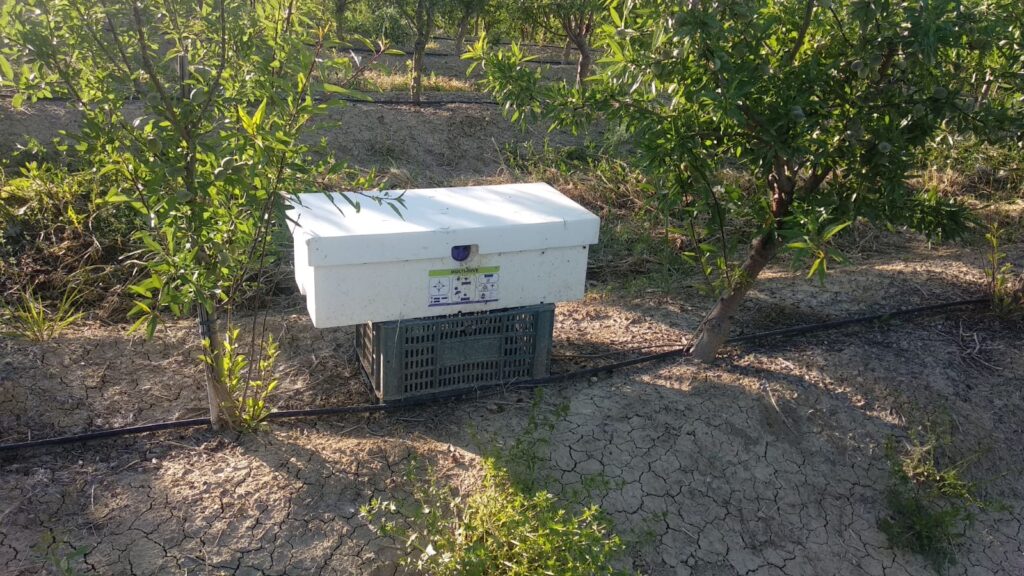
Ubees’ move to become top pollination services provider boosted
With growth capital secured, the company is focusing on becoming a leading pollination services provider by expanding into new crops and territories and using IoT tech for the best data.
The Bee Corp’s pollination standard confirmed in peer-reviewed study
A goal of standardizing bee data is key for improved technology to help protect these valuable pollinators.
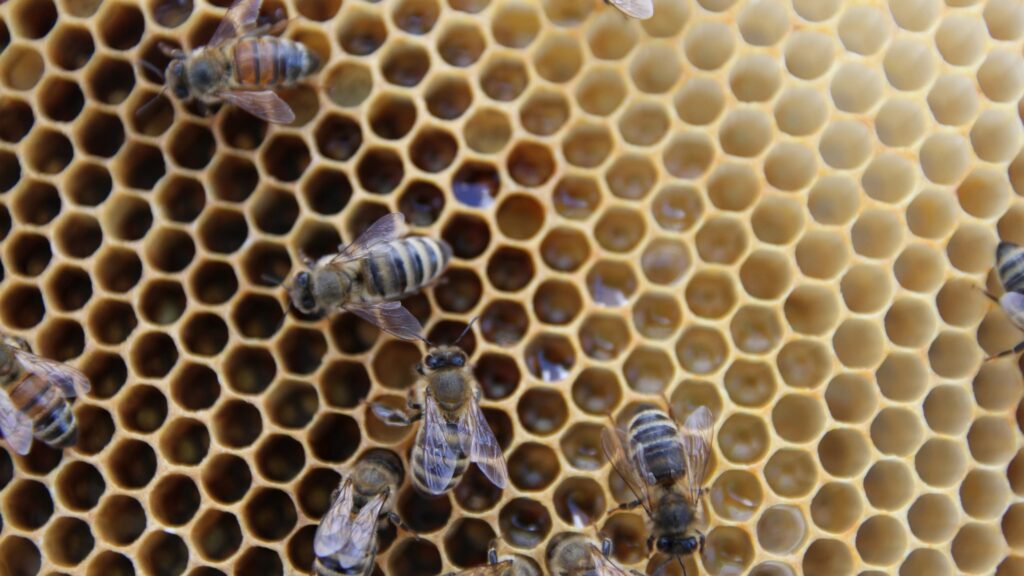
Managed honeybee colonies drop in second-highest loss rate
Despite beekeepers’ best management practices regarding colony health, researchers are seeing little progress in the reduction of colony loss.
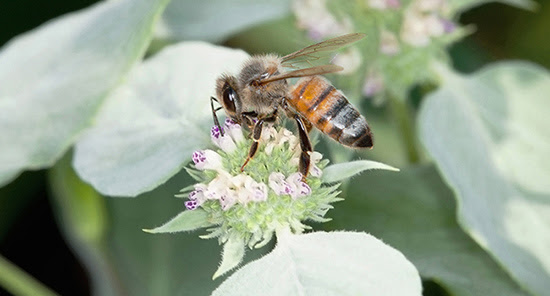
Honeybees survive longer with four compounds found in flowers
Improving the abundance and diversity of bee gut bacteria, these nutritional compounds found in flowers give bees a longer lifespan.
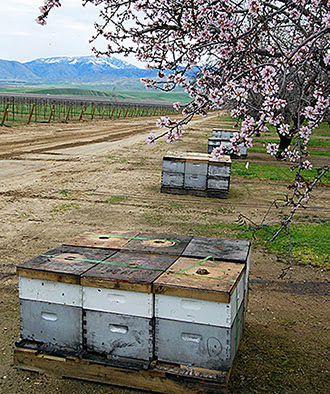
Amygdalin in almond nectar cuts viruses, gut parasites in honeybees
Healthy bees mean better pollination and better crops, and a natural chemical compound in almond nectar and pollen reduces the level of disease in bees, while increasing beneficial gut bacteria.

Potential shown for bee-impersonating flies to help pollination
Bees are still the most common pollinators, but a large number of other pollinators include the bee-mimicking syrphid flies, other insects and spiders.

Pollinator Partnership names Kelly Rourke as new executive director
Rourke takes her experience in other roles at Pollinator Partnership to continue steering the organization towards a great future.

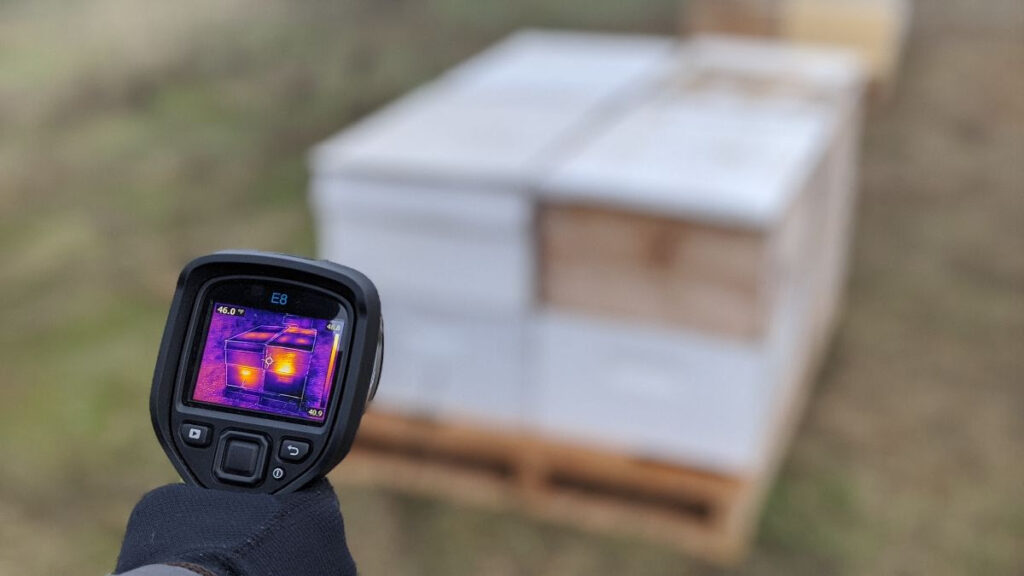
The Bee Corp, Syngenta Seeds, science foundation eye hive grading technology
The importance of pollinators is in the spotlight, and bee hive tech is using infrared imagery to measure hive health.
Bee Friendly Farming to partner with Vestaron Corp.
This three-year commitment is the result of the shared mission of protecting and promoting honeybees and other helpful pollinators, and working with growers to make it all happen.
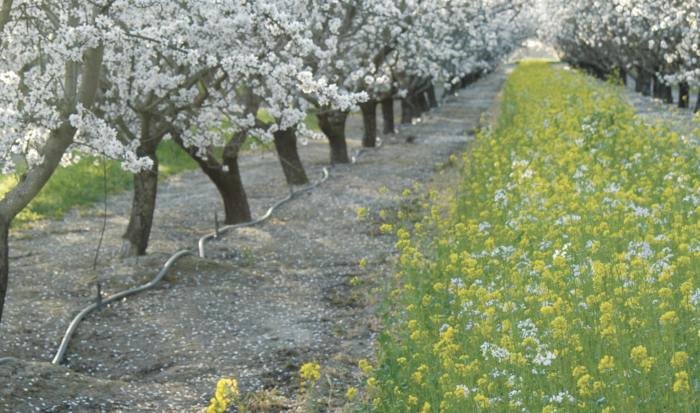
Cover crops emphasize bee health for almond bloom
Pollination in almond orchards has become an incredible market, joining the ranks of irrigation and harvest at 15-20% of a field’s annual costs, while marking what the Almond Board of California calls the largest pollination event in the world.