





November/December 2025
Improving recharge outcomes and soil health
Cover cropping an on-farm recharge in California pistachio orchards
California’s specialty crop industry stands at a critical juncture. As groundwater restrictions tighten and climate change intensifies water challenges, the agricultural community is committed to keeping working lands in production while protecting communities and ecosystems.
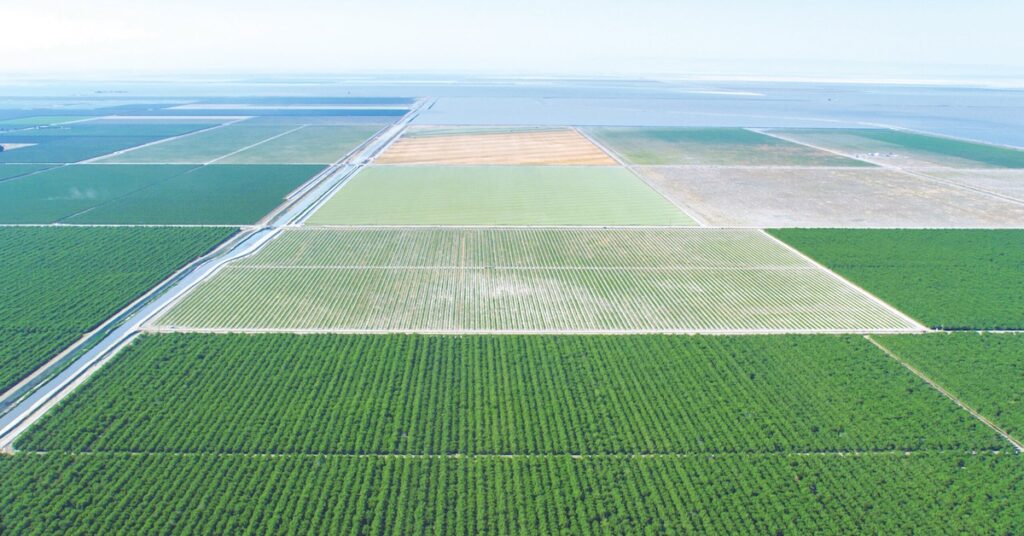
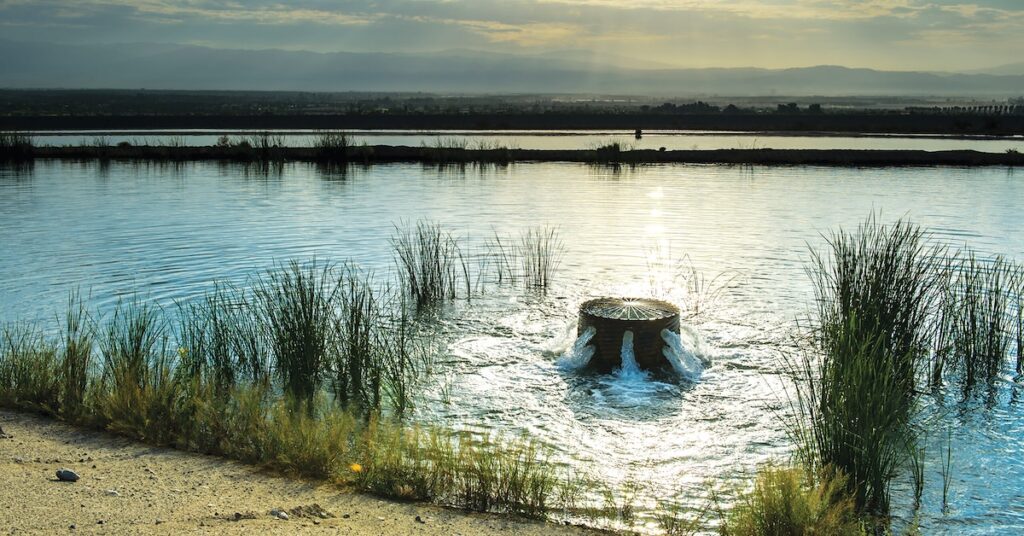
Enter on-farm recharge (OFR), a practice that’s gaining momentum as one of the most promising approaches to support groundwater sustainability. By capturing extra surface water directly on agricultural fields and helping it percolate into the aquifer, OFR allows farmers to become active partners in groundwater management while maintaining productive operations.
But what if we could make OFR even better? What if we could enhance water infiltration, reduce nutrient leaching and improve soil health all at the same time? That’s what Sustainable Conservation is exploring through its Specialty Crop Block Grant (SCBG) program project combining cover cropping with on-farm recharge in California pistachio orchards.
The project in numbers
- Project period — November 2024 through June 2027
- Six pilot orchards — Research conducted across San Joaquin Valley orchards with extensive technical assistance
- Roughly 240 acres — Conducting OFR across pilot sites, with about half of that (120 acres) being cover cropped
Progress through partnership
This initiative represents a collaborative approach to agricultural research and innovation. Sustainable Conservation’s Solutions in Our Soils and Water for the Future programs are leading this research effort, working alongside California State University; Fresno’s California Water Institute, including Sangeeta Bansal; American Pistachio Growers; and San Joaquin Valley pistachio growers.
Sustainable Conservation is also working closely with irrigation districts, Resource Conservation Districts, the Natural Resources Conservation Service, UC Cooperative Extension and others to maximize project impact and ensure the broader adoption of practices. For example, the partnership with local irrigation districts enabled the implementation of recharge activities during the relatively dry winter in 2024-2025.
Sustainable Conservation would also like to recognize the California Department of Food and Agriculture and the SCBG program for their support of this project.
Knowledge transfer
Research is only valuable if it reaches the people who can use it. That’s why Sustainable Conservation is developing a comprehensive Recharge Methods Manual specifically for pistachio orchards based on its findings. This practical guide will translate scientific results and in-field experience into actionable recommendations that growers and their advisors can implement with confidence, building upon the broader OFR Recharge Methods Manual.
Sustainable Conservation is conducting targeted outreach in the form of field days, webinars and train-the-trainer workshops to share our findings and expand adoption among growers and technical assistance providers.
Project updates and events
Thanks to partners, Sustainable Conservation has successfully established cover crop and recharge operations at two different sites in the vicinity of Tulare. These two pilot growers have completed their first season combining cover cropping and recharge activities, providing valuable data and operational insights that are informing best practice development and research for the coming years.
Together, Sustainable Conservation have already recharged about 150 acre feet of water across 93 acres, about 46 of which were cover cropped.

Looking ahead
The combination of cover cropping and on-farm recharge represents a more holistic approach that potentially addresses nutrient leaching, enhances soil health and maintains economic viability. The results from these orchards will have applications beyond pistachios, potentially benefiting other tree crop systems and regions facing similar water challenges.
By documenting both the benefits and the practical considerations of implementing these practices, we’re creating a roadmap for combining cover cropping with OFR — supporting resilient agriculture when it is needed the most.
Funding for this project was made possible by a grant from the U.S. Department of Agriculture (USDA) Agricultural Marketing Service. Its contents are solely the responsibility of the partners and do not necessarily represent the official views of the USDA.
Stay in the loop
Sustainable Conservation is sharing project findings through outreach events like field events and workshops. Sign up for event notifications now.